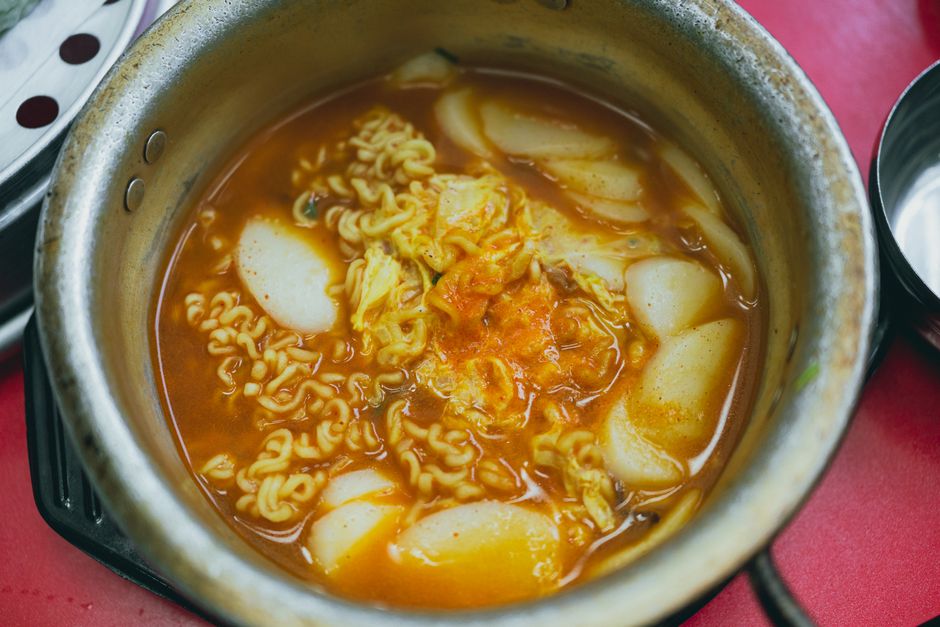
Few dishes capture the vibrant spirit of Korean street food quite like tteokbokki (spicy rice cakes). It’s a beloved staple, gracing everything from bustling night markets to cozy home kitchens, and a must-try for any K-drama fan. Imagine chewy rice cakes bathed in a fiery, savory, and slightly sweet sauce, often studded with fish cakes and other delightful additions. It’s comfort food that packs a punch!
For many home cooks, the idea of recreating authentic tteokbokki might seem daunting, but I promise it’s simpler than you think. With the right ingredients and a few insider tips, you can whip up a batch that rivals your favorite Korean eatery. This comprehensive guide will walk you through every step, ensuring your homemade tteokbokki has that perfect balance of heat, umami, and irresistible chewiness.
Tteokbokki Essentials: A Quick Overview
Before we dive deep into the nitty-gritty, let’s get a general idea of what makes tteokbokki so special. This table provides a snapshot of the core components and characteristics that define this iconic Korean dish.
| Aspect | Description | Why it Matters |
|---|---|---|
| Main Ingredient | Garaetteok (Cylindrical Rice Cakes) | Provides the signature chewy texture and absorbs the sauce beautifully. |
| Flavor Profile | Spicy, Sweet, Savory, Umami | A complex balance achieved through gochujang, gochugaru, sugar, and broth. |
| Key Sauce Components | Gochujang, Gochugaru, Sugar, Garlic, Soy Sauce, Broth | These form the backbone of the rich, red, and flavorful sauce. |
| Common Add-ins | Eomuk (Fish Cakes), Boiled Eggs, Cabbage, Scallions | Enhance texture, add protein, and introduce complementary flavors. |
| Ideal Texture | Chewy, Soft, but Not Mushy | The perfect tteokbokki has a satisfying bounce without being too firm or falling apart. |

Understanding Your Tteok: The Rice Cakes
At the heart of tteokbokki are the tteok (rice cakes) themselves. Most commonly, you’ll use garaetteok, which are long, cylindrical rice cakes typically sliced into bite-sized pieces. These are made from non-glutinous rice flour, resulting in their characteristic dense and chewy texture. You can find them fresh, refrigerated, or frozen in most Asian grocery stores. Fresh tteok offer the best texture, but frozen ones are perfectly acceptable with proper preparation.
If you’re using frozen tteok, it’s crucial to soak them in warm water for at least 30 minutes to an hour before cooking. This rehydrates them, prevents them from cracking, and ensures they cook evenly, becoming delightfully soft and chewy. For fresh tteok, a quick rinse under cold water to separate them is usually sufficient. Avoid over-soaking fresh tteok, as they can become too soft and lose their desired chewiness.
The quality and preparation of your tteok directly impact the final dish. A common pitfall is overcooking, which can turn them mushy, or undercooking, which leaves them hard and unpleasant. The goal is a tender, bouncy chew that holds its shape and soaks up all that delicious sauce. Experiment with different brands or types if available, as some can vary slightly in texture.
The Heart of the Flavor: Gochujang and Gochugaru
The iconic color and fiery kick of tteokbokki come from two indispensable Korean ingredients: gochujang (Korean chili paste) and gochugaru (Korean chili flakes). Gochujang is a fermented savory, sweet, and spicy condiment made from gochugaru, glutinous rice, fermented soybeans, and salt. It provides a deep, complex heat with a subtle sweetness and umami, acting as the primary flavor base for the sauce.
Gochugaru, on the other hand, consists of sun-dried chili peppers that have been deseeded and ground into flakes. It contributes a clean, bright heat and a beautiful red hue without adding the fermented funk of gochujang. Using both ensures a multi-layered spice profile and a rich, appealing color. You can adjust the amount of gochugaru to control the spice level—use less for a milder dish, or more for an extra kick.
While some recipes might suggest substitutions like sriracha or other chili pastes, for truly authentic tteokbokki, gochujang and gochugaru are non-negotiable. They offer a unique flavor that cannot be replicated. Look for reputable brands like Sunchang, CJ, or Daesang at your local Asian grocery store or online. They come in various spice levels, so choose one that suits your preference, often indicated on the packaging.
Building the Broth: Anchovy-Kelp Stock and Beyond
A secret to truly flavorful tteokbokki lies in its broth. While many quick recipes simply use water, an authentic and deeply satisfying tteokbokki relies on a rich, umami-packed stock. The traditional choice is myeolchi yuksu (anchovy-kelp stock), a staple in Korean cooking. This dashi-like broth provides a savory depth that elevates the entire dish, preventing the sauce from tasting flat or one-dimensional.
Making myeolchi yuksu is surprisingly simple. You’ll need dried anchovies (usually large, for broth) and a piece of dried kelp (dashima). Briefly toast the anchovies in a dry pan to remove any fishy smell, then combine them with kelp and water in a pot. Simmer for about 15-20 minutes, then strain out the solids. This yields a light yet incredibly flavorful base that forms the foundation of your tteokbokki sauce.
If you don’t have access to dried anchovies and kelp, or are looking for a vegetarian option, you can use a good quality vegetable broth. While it won’t have the exact same umami profile, it’s a far better alternative than plain water. In a pinch, you can even use plain water and compensate with a bit more soy sauce, a dash of fish sauce (if not vegetarian), or a pinch of mushroom powder for added depth.
Popular Add-ins: From Fish Cakes to Ramyeon
While the rice cakes and spicy sauce are the stars, a variety of add-ins make tteokbokki even more exciting and customizable. The most common addition is eomuk (fish cakes), which come in various shapes like flat sheets, skewers, or tubes. They absorb the sauce beautifully and add a delightful chewiness that complements the tteok. Simply slice the sheets into triangles or strips, or use pre-cut varieties.
Other popular additions include hard-boiled eggs, which offer a creamy contrast to the spice, and sliced green cabbage, which sweetens slightly as it cooks and adds a textural crunch. Scallions (green onions) are often added at the end for a fresh, aromatic finish. For those who love a hearty meal, adding instant ramen noodles turns tteokbokki into rabokki, a beloved student snack.
Don’t be afraid to get creative! Many variations exist, such as cheesy tteokbokki, where mozzarella or other melting cheese is added at the end, creating gooey, stretchy strands. You can also include other vegetables like onions, carrots, or mushrooms, or even proteins like sausages or thinly sliced beef (bulgogi style). The beauty of tteokbokki is its versatility, allowing you to tailor it to your personal preferences.
Step-by-Step: Crafting Your Authentic Tteokbokki
Ready to make your own? Here’s a detailed guide to creating perfect, authentic tteokbokki right in your kitchen. This recipe serves 2-3 people and takes about 30-40 minutes of active cooking time.
- Prepare the Tteok (Rice Cakes): If using frozen tteok (about 500g or 1.1 lbs), soak them in warm water for 30-60 minutes until soft. If using fresh, simply rinse and separate. Drain well before use.
- Make the Anchovy-Kelp Stock (Myeolchi Yuksu): In a medium pot, add 700 ml (about 3 cups) of water, 5-6 large dried anchovies (gutted), and a 5×5 cm (2×2 inch) piece of dried kelp (dashima). Bring to a boil, then reduce heat and simmer for 15 minutes. Remove and discard the anchovies and kelp.
- Prepare the Sauce Mixture: In a small bowl, combine 3 tablespoons (45g) gochujang (Korean chili paste), 1.5 tablespoons (15g) gochugaru (Korean chili flakes), 2 tablespoons (30g) sugar (or corn syrup for gloss), 1 tablespoon (15ml) soy sauce, 1 tablespoon (15ml) minced garlic, and 1 teaspoon (5ml) sesame oil. Mix until well combined.
- Combine and Simmer: Pour the prepared anchovy-kelp stock into a large pan or pot. Add the drained tteok and the sauce mixture. Bring to a boil over medium-high heat, stirring gently to dissolve the sauce.
- Add Main Ingredients: Once boiling, reduce the heat to medium-low and let it simmer for 5-7 minutes, stirring occasionally, until the tteok are tender and chewy. Add 200g (7 oz) sliced eomuk (fish cakes) and a handful of chopped green cabbage (about 1 cup).
- Continue Simmering: Cook for another 5-10 minutes, or until the sauce has thickened to your desired consistency and the cabbage is tender-crisp. The tteok should be soft and chewy, not hard or mushy. Taste and adjust seasoning if needed – add a pinch more sugar for sweetness, or a splash more soy sauce for saltiness.
- Final Touches: Stir in 2-3 hard-boiled eggs (halved) and a generous handful of chopped scallions. Serve immediately, perhaps garnished with a sprinkle of toasted sesame seeds.
Sauce, Heat, and Texture Fixes
How do I make my tteokbokki less spicy?
To reduce the heat in your tteokbokki, the primary adjustment should be made to the amount of gochugaru (Korean chili flakes). Gochugaru provides a more direct and sharp heat compared to gochujang, which offers a more complex, fermented spice. You can start by reducing the gochugaru by half or even omitting it entirely if you prefer a very mild version.
Additionally, you can increase the amount of sugar or corn syrup in the sauce, as sweetness helps to balance and mellow out the spice. Adding more vegetables like cabbage or onions also helps to dilute the intensity. For an even milder version, consider incorporating a splash of milk or heavy cream at the end of cooking, which creates a popular creamy tteokbokki variation.
Can I make tteokbokki vegetarian or vegan?
Absolutely! Traditional tteokbokki broth often uses dried anchovies, but it’s very easy to adapt for vegetarian and vegan diets. Simply omit the dried anchovies when making your stock. Instead, use a good quality vegetable broth or create a mushroom-kelp stock by simmering dried shiitake mushrooms and kelp (dashima) in water.
For the other ingredients, ensure your eomuk (fish cakes) are replaced with a plant-based alternative if you want to maintain a similar texture—some brands offer vegetarian fish cakes, or you can use firm tofu or mushrooms. All other core ingredients like tteok, gochujang, gochugaru, vegetables, and seasonings are naturally vegan-friendly. Always double-check the ingredient list of store-bought gochujang, as a few brands might contain trace amounts of non-vegan ingredients, though most are vegan.
How do I store leftover tteokbokki?
Leftover tteokbokki can be stored in an airtight container in the refrigerator for up to 2-3 days. The sauce tends to thicken and the tteok will become firmer as it cools, which is completely normal. For the best quality, it’s generally recommended to consume tteokbokki fresh, but leftovers are still delicious.
When reheating, add a splash of water or broth (1/4 to 1/2 cup, or 60-120ml) to loosen the sauce. Reheat gently on the stovetop over medium-low heat, stirring frequently until the tteok are soft and chewy again and the sauce is bubbling. Avoid reheating in the microwave for too long, as it can make the rice cakes tough. If you added ramyeon (instant noodles) to your original dish, they will likely be very soft upon reheating, so for best results, add fresh ramyeon when reheating if possible.
Shopping Guide for Tteokbokki Ingredients
Gathering the right ingredients is the first step to delicious tteokbokki. Most of these items can be found at a well-stocked Asian grocery store, particularly one specializing in Korean products. If you don’t have a local Asian market, many ingredients are readily available online through retailers like Amazon or dedicated Korean food websites.
When buying tteok (rice cakes), look for the cylindrical garaetteok. They come in varying lengths and thicknesses; choose a medium size for classic tteokbokki. You’ll find them fresh in the refrigerated section, often vacuum-sealed, or frozen. Fresh ones are usually a bit pricier but offer a slightly superior texture. Prices typically range from $3-7 USD (about £2.50-6 GBP) for a 500g (1.1 lb) package. For gochujang and gochugaru, opt for reputable Korean brands like Sunchang, CJ CheilJedang, or Daesang. A large tub of gochujang (500g/1.1lb) usually costs $6-12 USD (£5-10 GBP), and gochugaru (200g/7oz) is often in a similar range. These are pantry staples that will last a long time.
For the broth, pick up dried anchovies (often labeled ‘for broth’) and dried kelp (dashima). Both are shelf-stable and essential for many Korean soups and stews. Eomuk (fish cakes) are typically found in the refrigerated or frozen section of Asian markets, costing around $4-8 USD (£3.50-7 GBP) per package. Don’t forget basic pantry items like soy sauce, sugar, garlic, and scallions, which are widely available. Investing in these core ingredients will set you up not just for tteokbokki, but for a world of authentic Korean cooking!