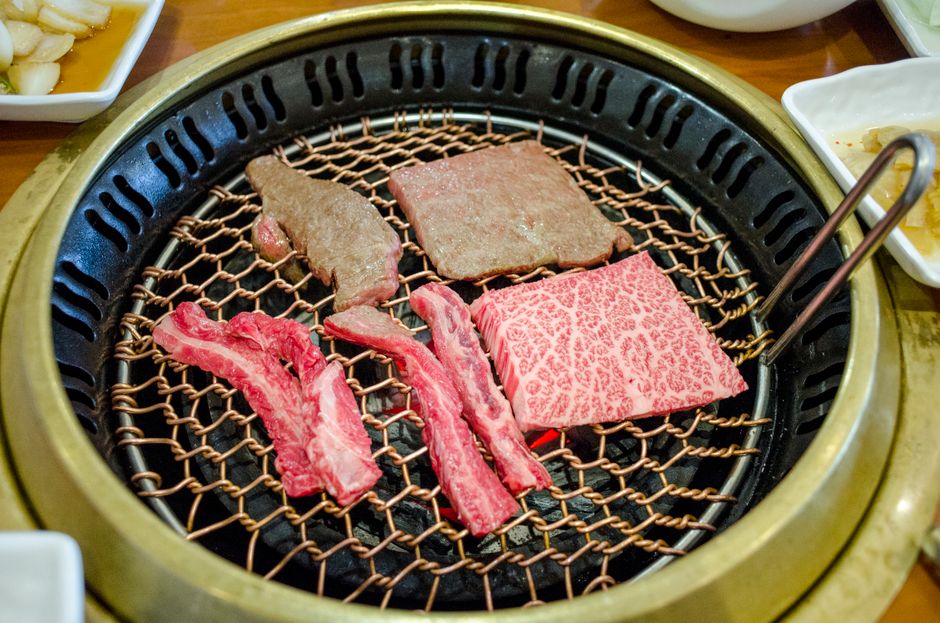
There’s nothing quite like the sizzle and aroma of a Korean barbecue spread. If you’ve ever dreamt of recreating that vibrant, communal dining experience from your favorite K-drama or a bustling restaurant right in your own kitchen, you’re in the right place! Korean BBQ, or gogi-gui (고기구이 – grilled meat), is more than just a meal; it’s a social event, a feast for the senses, and a fantastic way to share delicious food with friends and family. From perfectly marinated meats to an array of colorful side dishes, this guide will walk you through everything you need to host an unforgettable Korean BBQ night at home, even if you don’t have a fancy tabletop grill.
Get ready to transform your dining room into a Korean culinary haven. We’ll cover essential ingredients, how to set up your cooking station, step-by-step marinating and grilling techniques, and the cultural art of assembling the perfect ssam (쌈 – lettuce wrap). Prepare for a delicious adventure that will have everyone asking for seconds!
Quick Overview: Korean BBQ at Home
| Dish Type | Difficulty | Prep Time | Cook Time | Serves |
|---|---|---|---|---|
| Bulgogi (Marinated Beef) | Medium | 30 minutes + 4-8 hours marinating | 15-20 minutes | 4-6 people |
| Samgyeopsal (Pork Belly) | Easy | 10 minutes | 20-30 minutes | 4-6 people |
| Assorted Banchan (Side Dishes) | Varies (Easy to Medium) | 30-60 minutes | N/A | 4-6 people |
Essential Ingredients for Your Korean BBQ Feast
A successful Korean BBQ spread hinges on high-quality ingredients, especially the meat and its marinade. Don’t worry if you don’t live near a large Asian grocery store; many items are readily available or have easy substitutions. The key is to source thinly sliced meats, which are crucial for quick cooking and tender bites.
For the star of the show, meat, look for:
- Bulgogi (불고기 – marinated beef): Thinly sliced beef sirloin, ribeye, or brisket. Many Korean markets sell pre-sliced bulgogi meat. You’ll need about 1.5-2 pounds (680-900 grams) for 4 people.
- Samgyeopsal (삼겹살 – pork belly): Thick-cut, unmarinated pork belly. Aim for slices about 0.5-0.75 inches (1.2-1.9 cm) thick. Around 1.5-2 pounds (680-900 grams) is a good starting point.
- Galbi (갈비 – marinated short ribs): Flanken-cut beef short ribs, cross-cut across the bones. These require a longer marinade.
The marinade for bulgogi and galbi typically includes:
- 1/2 cup (120 ml) soy sauce
- 1/4 cup (60 ml) water
- 2 tablespoons (30 ml) sesame oil
- 2 tablespoons (30 ml) brown sugar or honey
- 2 tablespoons (30 ml) minced garlic
- 1 tablespoon (15 ml) grated ginger
- 1/4 cup (60 ml) grated Asian pear or apple (for tenderizing and sweetness; apples are a good substitute for Asian pears)
- 1/2 teaspoon black pepper
- Optional: 1 tablespoon (15 ml) mirin (rice wine) for extra depth
Beyond the meat, you’ll need ssamjang (쌈장 – dipping sauce), which is a mix of doenjang (된장 – fermented soybean paste), gochujang (고추장 – Korean chili paste), minced garlic, sesame oil, and a touch of sugar. You can buy pre-made ssamjang or easily mix your own. For wraps, gather plenty of fresh lettuce (red leaf, green leaf, or romaine work well) and kkaennip (깻잎 – perilla leaves) if you can find them. Don’t forget grilling vegetables like sliced onions, mushrooms, and garlic cloves.
Setting Up Your Korean BBQ Station at Home
The beauty of Korean BBQ is its interactive nature, centered around a grill at the table. While a dedicated tabletop grill (electric or portable gas) is ideal, you can absolutely make it work with what you have. If you don’t have a specific BBQ grill, a large cast-iron skillet or a griddle pan placed on a portable burner or even your stovetop can serve as an excellent substitute. Just ensure it heats evenly and retains heat well.
Ventilation is paramount when cooking indoors. Open windows, turn on your kitchen exhaust fan, and consider placing a small fan nearby to direct smoke towards an open window. This will help prevent your home from smelling like a BBQ joint for days. Lay down newspaper or a disposable tablecloth for easy cleanup, as things can get a little messy with sizzling meat and sauces.
Arrange your table with an array of small plates for banchan (반찬 – side dishes), bowls for rice, and individual dishes for ssamjang. Provide plenty of serving tongs and kitchen shears for cutting the cooked meat into bite-sized pieces directly at the table. Having a designated area for raw meat and another for cooked meat can also help with food safety and flow.
Step-by-Step Guide to Marinating & Grilling Korean Meats
With your ingredients prepped and your station set, it’s time to cook! The process varies slightly depending on whether you’re making marinated or unmarinated cuts.
Marinating Bulgogi and Galbi
For bulgogi or galbi, combine all marinade ingredients in a large bowl. Add your thinly sliced beef, ensuring each piece is coated. Gently massage the marinade into the meat. Cover the bowl and refrigerate for at least 4 hours, or ideally overnight (up to 24 hours) for maximum flavor and tenderness. The longer the marinade, the more flavorful and tender the meat will be. Before grilling, let the meat come to room temperature for about 30 minutes to ensure even cooking.
Grilling Your Meats
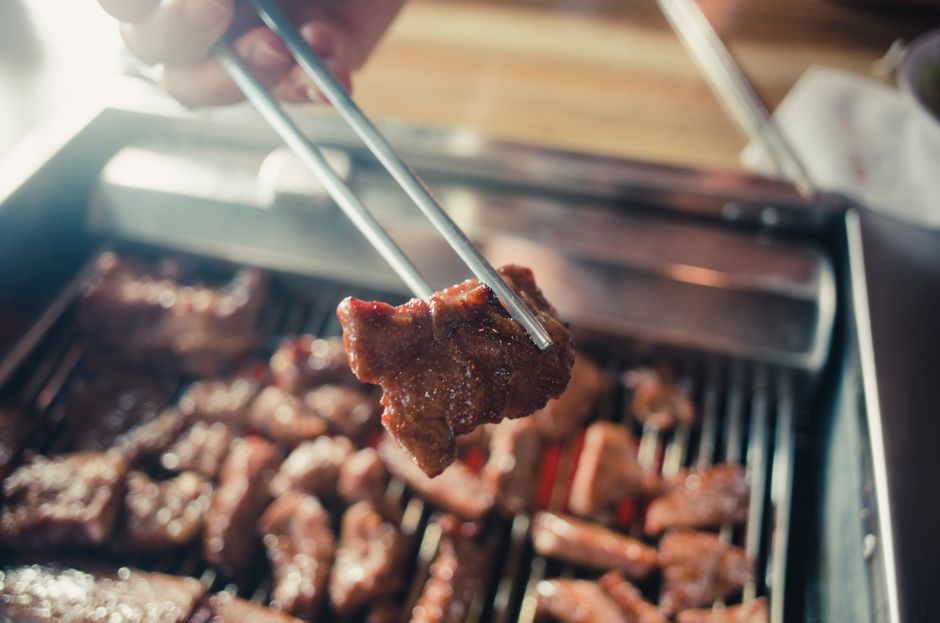
Preheat your grill or cast-iron pan over medium-high heat. For bulgogi and galbi, place a single layer of marinated meat on the hot surface. Avoid overcrowding the grill, as this will lower the temperature and steam the meat instead of searing it, preventing that delicious caramelization. Cook for 2-3 minutes per side, until nicely browned and cooked through. Use kitchen shears to cut larger pieces of galbi into smaller, manageable portions if needed. Transfer cooked meat to a serving plate or directly into someone’s ssam!
For samgyeopsal (pork belly), no marinade is needed. Simply place the thick slices on the hot grill. Cook for 5-7 minutes per side, turning occasionally, until golden brown and crispy. The fat will render out, creating a wonderfully rich flavor. Once cooked, use kitchen shears to cut the pork belly into bite-sized pieces. You can also grill sliced onions and garlic alongside the pork belly, letting them cook in the rendered fat for extra flavor.
Mastering the Banchan: Side Dishes for Korean BBQ
Banchan are the heart and soul of any Korean meal, and especially crucial for a balanced Korean BBQ experience. They offer contrasting textures, flavors, and temperatures that complement the rich, grilled meats. While some banchan can be elaborate, you don’t need to make a dozen from scratch. A good selection of 3-5 different banchan is perfect.
The absolute must-have banchan is kimchi (김치 – fermented spicy cabbage). You can easily buy a good quality kimchi from any Asian grocery store. Other popular and relatively easy-to-find or make banchan include: kongnamul muchim (콩나물무침 – seasoned bean sprouts), sigeumchi namul (시금치나물 – seasoned spinach), mu saengchae (무생채 – spicy radish salad), and pickled radish wraps. Many Korean markets offer a wide variety of freshly made banchan, making your prep much easier.
Consider adding some fresh vegetables to your banchan spread as well. Sliced cucumbers, carrots, or even a simple green salad with a light vinaigrette can provide a refreshing counterpoint to the rich meats. The key is variety – aim for a mix of spicy, tangy, savory, and fresh elements to keep every bite interesting.
The Art of Ssam: How to Eat Korean BBQ
Eating Korean BBQ is an experience in itself, and the most iconic way to enjoy it is by making a ssam (쌈 – wrap). This interactive method allows everyone to customize their perfect bite, combining flavors and textures to their liking. It’s a fun and social way to eat, encouraging conversation and shared enjoyment around the table.
To make a ssam, start with a fresh lettuce leaf or a perilla leaf in your palm. Next, place a piece of freshly grilled meat onto the leaf. Add a small dab of ssamjang on top of the meat. This is where you can get creative! Add a piece of grilled garlic, a slice of grilled onion, a bit of kimchi, a seasoned bean sprout, or any other banchan that catches your eye. Once your ssam is assembled, carefully fold the leaf around the fillings to create a neat little package. Then, in one glorious bite, pop the entire ssam into your mouth. The combination of textures and flavors is truly sublime.
Common Mistakes to Avoid for Perfect KBBQ
- Overcrowding the Grill: This is perhaps the most common mistake. Adding too much meat at once drops the grill’s temperature, causing the meat to steam rather than sear. This results in tough, grey meat instead of beautifully caramelized, tender pieces. Cook in small batches for best results.
- Skipping the Marinade Time: For bulgogi or galbi, insufficient marinating time means less flavor and tougher meat. Always allow at least 4 hours, but preferably overnight, for the marinade to work its magic.
- Lack of Ventilation: Indoor grilling can create a lot of smoke and lingering odors. Neglecting ventilation will leave your home smelling like a restaurant kitchen for days. Open windows and use fans!
- Forgetting the Ssamjang: Ssamjang is the essential condiment for Korean BBQ. It provides a savory, slightly spicy, and deeply umami flavor that perfectly complements the grilled meat. Don’t skip it!
- Not Having Enough Banchan and Wraps: Korean BBQ is all about variety and abundance. Running out of lettuce wraps or key banchan can diminish the experience. Always have more than you think you’ll need.
Grill Setup, Cuts, and Leftovers
What kind of grill is best for Korean BBQ at home?
The ‘best’ grill depends on your budget, space, and how often you plan to host KBBQ. For indoor use, an electric tabletop grill is very popular and convenient. Brands like Zojirushi or Cuisinart offer great options that are easy to clean and control. These grills are designed to sit in the center of your table, allowing everyone to participate in the cooking.
Alternatively, a portable gas burner with a cast-iron griddle or a flat-top grill plate can also work wonderfully, especially for getting a good sear. If you prefer to cook outdoors to avoid smoke, a standard charcoal or gas grill can be used, though you might need to pre-cut meats into smaller pieces for easier handling.
Can I make Korean BBQ vegetarian or vegan?
Absolutely! Korean BBQ can be easily adapted for vegetarian and vegan diets, focusing on flavorful plant-based alternatives. Instead of meat, you can marinate thick slices of firm tofu, tempeh, portobello mushrooms, or even eggplant in a bulgogi-style sauce (just omit any fish sauce if using a pre-made marinade). The key is to ensure your marinade is vegan-friendly; most bulgogi marinades are, but always check ingredients for honey or mirin with animal-derived alcohol.
For the rest of the meal, most banchan are already vegetarian or can be made so by omitting any fish sauce or shrimp paste (e.g., in some kimchi). Focus on a wide variety of vegetable-based banchan like seasoned bean sprouts, spinach, radish salad, and plenty of fresh lettuce and perilla leaves for wrapping. Grilled vegetables like onions, bell peppers, and zucchini also make excellent additions to the grill.
Where can I find authentic Korean ingredients?
Your best bet for authentic Korean ingredients is a local Asian grocery store, specifically one that specializes in Korean products. These stores will have a wide selection of thinly sliced meats, various brands of gochujang, doenjang, sesame oil, kimchi, and a fresh produce section with items like perilla leaves and Korean radishes. Look for stores in larger cities or areas with a significant Korean population.
If a dedicated Korean market isn’t accessible, larger international grocery stores often have an Asian aisle with many of the staple sauces and pastes. For specialty items or pre-sliced meats, online Asian grocery retailers are an excellent resource. Websites like H Mart Online, Weee!, or even Amazon carry a surprising range of Korean ingredients that can be delivered right to your door.
Final Tips for a Stellar Korean BBQ Night
- Prep Ahead: Marinate your meats and prepare or purchase your banchan the day before. This significantly reduces stress on the day of your feast.
- Don’t Skimp on Ssamjang: This flavorful dipping sauce is non-negotiable. It brings all the elements of your ssam together.
- Embrace the Communal Aspect: Korean BBQ is meant to be shared. Encourage everyone to participate in grilling, cutting, and making their own ssams.
- Ventilate, Ventilate, Ventilate: Seriously, open those windows and turn on your fans to keep your home fresh.
- Offer Variety: A mix of different meats (marinated and unmarinated) and a good spread of banchan will keep everyone happy and satisfied.
- Have Fun with Ssam: Encourage experimentation with different banchan combinations in the wraps. There’s no wrong way to build a ssam!
- Keep It Simple: If it’s your first time, focus on 1-2 types of meat and 3-4 easy banchan. You can always expand your repertoire later.