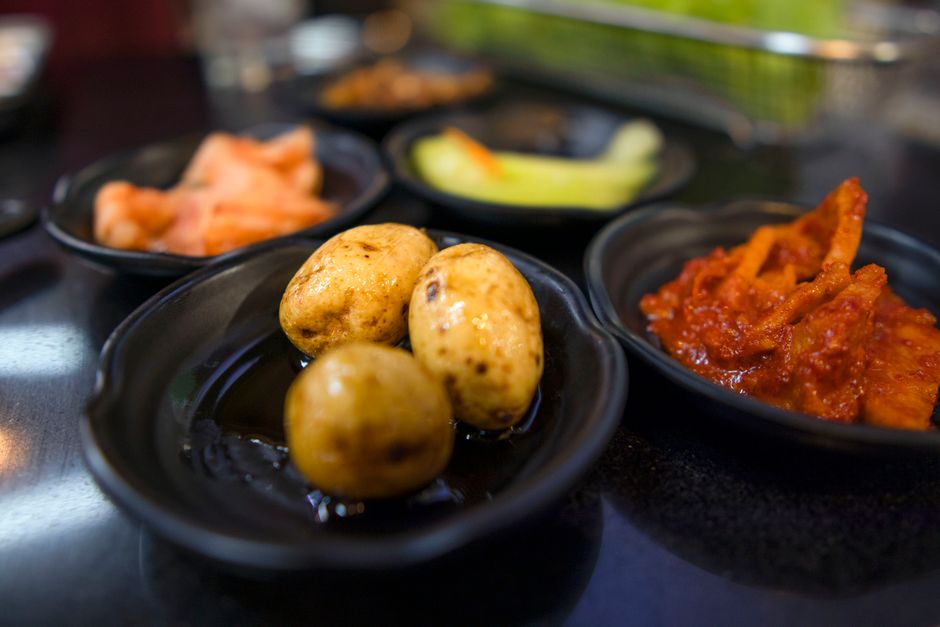
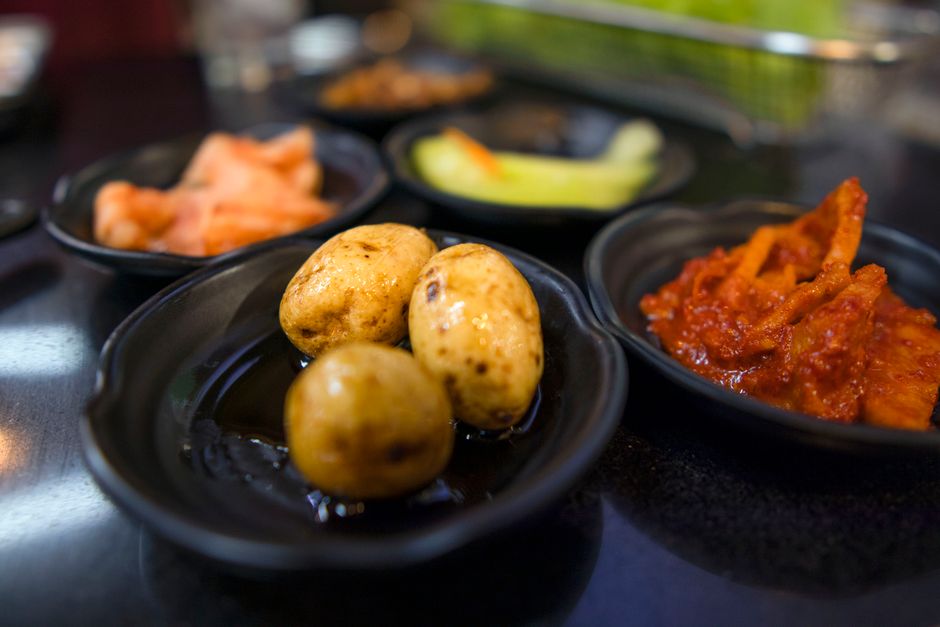
At a traditional Korean meal, the small side dishes crowded around the rice often steal the show from the main course. These are banchan (반찬) — the little plates of seasoned vegetables, salads, and stir-fries that give a Korean table its color and variety. If you’ve ever watched a K-drama and eyed the spread on the table, you’ve seen banchan in action.
Making them at home is easier than it looks. Below are 10 easy banchan recipes — the ingredients you’ll need, how to make each one, and the mistakes to avoid so they turn out right the first time.
Quick Overview: 10 Easy Banchan at a Glance
| Banchan Name (English Translation) | Difficulty Level | Typical Prep/Cook Time |
|---|---|---|
| Sigeumchi Namul (Seasoned Spinach) | Easy | 10-15 minutes |
| Kongnamul Muchim (Seasoned Soybean Sprouts) | Easy | 10-15 minutes |
| Oi Muchim (Spicy Cucumber Salad) | Easy | 15-20 minutes |
| Eomuk Bokkeum (Stir-fried Fish Cakes) | Easy | 15-20 minutes |
| Gyeran Mari (Rolled Omelet) | Easy | 15-20 minutes |
| Musaengchae (Spicy Radish Salad) | Easy | 20-25 minutes |
| Dubu Jorim (Braised Tofu) | Medium-Easy | 20-25 minutes |
| Gaji Namul (Steamed Eggplant) | Easy | 15-20 minutes |
| Pyogo Beoseot Bokkeum (Stir-fried Shiitake Mushrooms) | Easy | 15-20 minutes |
| Myulchi Bokkeum (Stir-fried Anchovies) | Medium-Easy | 25-30 minutes |
Essential Ingredients for Your Banchan Pantry
A handful of pantry staples covers most banchan recipes. You’ll find all of them at an Asian grocery store, in the international aisle of larger supermarkets, or online.
Key flavor enhancers include ganjang (soy sauce), specifically a regular all-purpose soy sauce for most banchan, and sometimes a lighter guk ganjang (soup soy sauce) if you want a lighter color for certain namul dishes. Chamgireum (sesame oil) is non-negotiable for its rich, nutty aroma, always added at the end for maximum impact. Fresh garlic and green onions are fundamental aromatics, providing a pungent freshness that brightens any dish. Don’t forget bokkeun chamggae (toasted sesame seeds) for a final flourish and added texture.
For those delicious spicy kicks, gochugaru (Korean chili flakes) is essential. Its vibrant red color and mild-to-medium heat are distinct from other chili powders, offering a nuanced warmth. If a recipe calls for a fermented paste, you’ll need gochujang (Korean chili paste), which is sweet, savory, and spicy. Other common ingredients include sugar (or corn syrup/honey for gloss and subtle sweetness), rice vinegar for tang, and sometimes mirin (rice wine) for sweetness and to reduce any fishiness in seafood banchan. If you can’t find mirin, a pinch of sugar and a splash of sake or white wine vinegar can be a substitute.
10 Simple Banchan Recipes to Master
1. Sigeumchi Namul (Seasoned Spinach)
This classic is simple, healthy, and quick — a refreshing, savory counterpoint to richer dishes. It highlights the natural sweetness and tender texture of spinach with just a light seasoning.
- Key Ingredients: 1 lb (450g) fresh spinach, 2 cloves garlic (minced), 1 tablespoon ganjang (soy sauce), 1 tablespoon chamgireum (sesame oil), 1 teaspoon bokkeun chamggae (toasted sesame seeds), pinch of salt.
- Method: Bring a pot of water to a rolling boil. Blanch spinach for 30-60 seconds until vibrant green and slightly wilted. Immediately drain the spinach and rinse thoroughly under cold water to stop the cooking process and preserve its color. Squeeze out excess water very thoroughly by hand. In a mixing bowl, combine the squeezed spinach with minced garlic, soy sauce, sesame oil, sesame seeds, and a pinch of salt. Mix gently by hand until all ingredients are well incorporated. Taste and adjust seasoning as needed.
2. Kongnamul Muchim (Seasoned Soybean Sprouts)
Kongnamul muchim is prized for its crunch and light, savory flavor, and it works either spicy or mild. The key is cooking the sprouts just until tender-crisp so they keep their bite.
- Key Ingredients: 1 lb (450g) soybean sprouts, 2 cloves garlic (minced), 1 green onion (chopped), 1 tablespoon ganjang (soy sauce), 1 tablespoon chamgireum (sesame oil), 1 teaspoon bokkeun chamggae (toasted sesame seeds), 1 teaspoon gochugaru (Korean chili flakes, optional).
- Method: Rinse soybean sprouts under cold water. In a medium pot, bring water to a boil with a pinch of salt. Add the sprouts and cook for 5-7 minutes, covered, until they are tender-crisp. Drain well and let them cool slightly. In a mixing bowl, combine the cooked sprouts with minced garlic, chopped green onion, soy sauce, sesame oil, sesame seeds, and gochugaru (if you prefer a spicy version). Mix gently but thoroughly until the sprouts are evenly coated.
3. Oi Muchim (Spicy Cucumber Salad)
Oi muchim is a quick salad of crisp cucumbers in a spicy, sweet, tangy dressing. It’s especially popular in warmer months but works year-round as a palate cleanser. Salting the cucumbers first is the step that gives them their crisp-tender texture.
- Key Ingredients: 2 English cucumbers, 1 tablespoon salt, 2 cloves garlic (minced), 1 green onion (chopped), 2 tablespoons gochugaru (Korean chili flakes), 1 tablespoon ganjang (soy sauce), 1 tablespoon rice vinegar, 1 tablespoon sugar, 1 tablespoon chamgireum (sesame oil), 1 teaspoon bokkeun chamggae (toasted sesame seeds).
- Method: Slice cucumbers thinly into half-moons or rounds. Place them in a bowl and toss with 1 tablespoon of salt. Let them sit for 10-15 minutes to draw out excess water. After salting, firmly squeeze out as much liquid from the cucumbers as possible. In a separate bowl, combine the squeezed cucumbers with all remaining ingredients: minced garlic, chopped green onion, gochugaru, soy sauce, rice vinegar, sugar, sesame oil, and sesame seeds. Mix everything well until the cucumbers are evenly coated in the vibrant dressing. Serve immediately or chill for better flavor.
4. Eomuk Bokkeum (Stir-fried Fish Cakes)
Eomuk bokkeum is a slightly sweet, savory stir-fry of Korean fish cakes — a lunchbox staple that both kids and adults like. The chewy fish cakes and glossy sauce make it hard to stop eating.
- Key Ingredients: 8 oz (225g) Korean fish cakes (flat sheets or mixed shapes), 1/2 onion (sliced), 1/2 bell pepper (any color, sliced), 2 cloves garlic (minced), 2 tablespoons ganjang (soy sauce), 1 tablespoon sugar or corn syrup, 1 teaspoon chamgireum (sesame oil), 1 tablespoon cooking oil, 1 green onion (chopped), 1 teaspoon bokkeun chamggae (toasted sesame seeds).
- Method: If using flat fish cake sheets, cut them into bite-sized strips. Heat 1 tablespoon of cooking oil in a large pan or wok over medium-high heat. Add the sliced onion and bell pepper, stir-fry for 2-3 minutes until they start to soften. Add the cut fish cakes and minced garlic to the pan, stir-fry for another 2 minutes. Pour in the soy sauce and sugar (or corn syrup), stirring well to ensure the sauce coats all the fish cakes and vegetables. Continue to stir-fry briefly until the sauce thickens slightly. Remove from heat, then stir in the sesame oil, chopped green onion, and toasted sesame seeds.
5. Gyeran Mari (Rolled Omelet)
Gyeran mari is a mild, soft rolled omelet studded with diced vegetables — good for kids or anyone who prefers milder flavors. Rolling it takes a little technique, but it’s forgiving, and the layered result looks more impressive than the effort it takes.
- Key Ingredients: 4 large eggs, 2 tablespoons finely diced carrot, 2 tablespoons finely diced green onion, 1/4 teaspoon salt, 1 tablespoon cooking oil.
- Method: In a bowl, whisk the eggs thoroughly with salt, finely diced carrot, and green onion. Heat a non-stick pan (a rectangular pan works best, but a round one is fine) over medium-low heat and lightly coat with a little cooking oil. Pour a thin layer of the egg mixture into the pan, tilting to coat the bottom evenly. As the edges begin to set but the center is still slightly wet, use a spatula to gently roll the omelet tightly towards one side of the pan. Push the rolled omelet to one end of the pan, then add another thin layer of egg mixture to the empty space, lifting the rolled omelet slightly to allow some egg to flow underneath. Once this new layer begins to set, roll it over the existing roll. Repeat this process until all the egg mixture is used, building a thick, layered omelet. Once cooked, transfer to a cutting board and slice into thick, bite-sized pieces.
6. Musaengchae (Spicy Radish Salad)
Musaengchae is a crunchy, spicy salad of julienned Korean radish (mu), often served alongside grilled meats or heavier stews for a sharp, peppery contrast that cuts through richness.
- Key Ingredients: 1 lb (450g) Korean radish (mu), julienned, 2 tablespoons gochugaru (Korean chili flakes), 2 tablespoons sugar, 2 tablespoons rice vinegar, 2 cloves garlic (minced), 1 green onion (chopped), 1 teaspoon salt, 1 teaspoon bokkeun chamggae (toasted sesame seeds).
- Method: Peel the Korean radish and julienne it into thin matchsticks. In a large bowl, combine the julienned radish with 1 teaspoon of salt and let it sit for 10 minutes to draw out some moisture and soften it slightly. Squeeze out any excess water from the radish. Add the gochugaru, sugar, rice vinegar, minced garlic, chopped green onion, and sesame seeds to the bowl with the radish. Mix thoroughly by hand until the radish is evenly coated with the vibrant red dressing and all ingredients are well combined. Serve immediately or chill for a more intense flavor.
7. Dubu Jorim (Braised Tofu)
Dubu jorim is pan-fried tofu simmered in a savory, slightly spicy sauce — hearty enough to work as a light meal on its own. Pan-frying first gives the tofu a golden crust that holds up when braised.
- Key Ingredients: 1 block (14 oz / 400g) firm or extra-firm tofu, 2 tablespoons cooking oil. For the sauce: 3 tablespoons ganjang (soy sauce), 1 tablespoon gochugaru (Korean chili flakes), 1 tablespoon sugar, 1 tablespoon minced garlic, 1 tablespoon chopped green onion, 1 teaspoon chamgireum (sesame oil), 1/2 cup (120ml) water.
- Method: Drain the tofu and press out excess water (this step is optional but highly recommended for firmer tofu). Slice the tofu into 1/2-inch (1.25cm) thick rectangles. Heat 2 tablespoons of cooking oil in a large non-stick pan over medium-high heat. Pan-fry the tofu slices until they are golden brown and slightly crispy on both sides. While the tofu is frying, whisk together all the sauce ingredients in a small bowl: soy sauce, gochugaru, sugar, minced garlic, chopped green onion, sesame oil, and water. Once the tofu is browned, pour the prepared sauce evenly over the tofu in the pan. Reduce the heat to medium-low and simmer for 5-7 minutes, occasionally spooning the sauce over the tofu, until the sauce thickens slightly and is absorbed into the tofu. Serve warm.
8. Gaji Namul (Steamed Eggplant)
Gaji namul is soft, tender eggplant with a light, savory seasoning. Steaming preserves its natural sweetness and gives it a melt-in-your-mouth texture — a good pick for milder, vegetable-focused banchan.
- Key Ingredients: 2 medium eggplants (Japanese or Chinese preferred for their tender skin), 2 cloves garlic (minced), 1 green onion (chopped), 2 tablespoons ganjang (soy sauce), 1 tablespoon chamgireum (sesame oil), 1 teaspoon bokkeun chamggae (toasted sesame seeds), 1/2 teaspoon gochugaru (optional, for a hint of spice).
- Method: Wash the eggplants and cut them into 2-3 inch (5-7.5cm) long strips. Arrange the eggplant strips in a steamer basket. Steam the eggplant for 5-7 minutes over boiling water until they are very tender but not mushy. Let the steamed eggplant cool slightly, then gently squeeze out any excess water. In a mixing bowl, combine the cooled, squeezed eggplant with minced garlic, chopped green onion, soy sauce, sesame oil, sesame seeds, and gochugaru (if desired). Mix gently by hand to ensure the eggplant is evenly coated with the seasoning.
9. Pyogo Beoseot Bokkeum (Stir-fried Shiitake Mushrooms)
This stir-fried shiitake mushroom banchan is rich in umami with a satisfying chewy texture, adding earthy depth alongside almost any main dish. Fresh shiitake work well, but rehydrated dried ones give an even more concentrated flavor.
- Key Ingredients: 8 oz (225g) fresh shiitake mushrooms (or rehydrated dried), 2 cloves garlic (minced), 1 green onion (chopped), 2 tablespoons ganjang (soy sauce), 1 tablespoon chamgireum (sesame oil), 1 teaspoon bokkeun chamggae (toasted sesame seeds), 1 tablespoon cooking oil.
- Method: If using fresh shiitake mushrooms, clean them and slice if large. If using dried, rehydrate them according to package instructions, then squeeze out excess water and slice. Heat 1 tablespoon of cooking oil in a pan or wok over medium-high heat. Add the mushrooms and stir-fry for 3-4 minutes until they have softened and are lightly browned. Add the minced garlic and stir-fry for another minute until fragrant. Stir in the soy sauce, ensuring the mushrooms are well coated. Remove from heat, then stir in the sesame oil, chopped green onion, and toasted sesame seeds. Serve warm or at room temperature.
10. Myulchi Bokkeum (Stir-fried Anchovies)
Myulchi bokkeum is small dried anchovies stir-fried in a sweet, savory glaze — packed with umami, crunchy, and a lunchbox favorite. It’s also a good source of calcium.
- Key Ingredients: 1 cup (100g) small dried anchovies (jiri-myulchi, typically 1-1.5 inches long), 1 tablespoon cooking oil. For the sauce: 2 tablespoons ganjang (soy sauce), 2 tablespoons corn syrup (or honey/sugar), 1 tablespoon mirin (rice wine, optional, for flavor and gloss), 1 tablespoon chamgireum (sesame oil), 1 teaspoon bokkeun chamggae (toasted sesame seeds).
- Method: Heat 1 tablespoon of cooking oil in a non-stick pan over medium heat. Add the small dried anchovies and stir-fry for 2-3 minutes until they are fragrant and crispy. Be careful not to burn them. Remove the anchovies from the pan and set them aside. In the same pan, reduce the heat to low and add all the sauce ingredients (except sesame oil and seeds): soy sauce, corn syrup, and mirin (if using). Simmer for 1 minute until the sauce thickens slightly and becomes glossy. Return the crispy anchovies to the pan and toss quickly to coat them evenly with the glaze. Remove the pan from heat immediately, then stir in the sesame oil and toasted sesame seeds. Serve at room temperature.
Tips for Perfect Banchan Every Time
Good banchan comes down to balance and tasting as you go. Seasoning preference varies, so adjust the soy sauce, salt, sugar, or chili flakes to suit your palate. A little extra sesame oil at the end often ties the flavors together.
When preparing vegetable-based banchan like namul, the cooking method for the vegetables themselves is key. Whether blanching spinach or steaming eggplant, aim for tender-crisp, not mushy. Overcooked vegetables lose their texture, color, and nutrients. Immediately shocking blanched vegetables in cold water helps preserve their bright hue and stops the cooking process, ensuring a crisp, fresh bite.
Banchan recipes are also flexible. No soybean sprouts? Mung bean sprouts (sukju namul) work as a substitute. Don’t like spice? Omit or reduce the gochugaru. Swap in whatever vegetables or proteins you have on hand or what’s in season.

Serving Your Delicious Banchan
Banchan are traditionally arranged around a central main dish, each small plate adding its own flavor to the meal. There’s no strict rule for arrangement — just place them so they’re easy to share. A typical family meal might have 3-5 banchan; special occasions often have more.
Banchan are always served with a bowl of freshly cooked rice, which acts as a neutral canvas, allowing the distinct flavors of each side dish to shine. They complement everything from simple grilled fish or meats to hearty stews like kimchi jjigae (kimchi stew) or doenjang jjigae (fermented soybean paste stew). The variety of banchan ensures that every spoonful of rice can be paired with a different flavor, texture, and temperature, keeping your palate engaged throughout the meal.
Banchan aren’t limited to Korean meals, either — try sigeumchi namul alongside roasted chicken, or oi muchim with a sandwich or grilled fish. They also hold up well for meal prep, giving you flavorful additions to lunch or dinner through the week.
Common Mistakes to Avoid
- Overcooking Vegetables: For namul dishes, vegetables like spinach and bean sprouts should be blanched quickly until tender-crisp, not soft or mushy. Overcooking leads to a loss of texture, color, and nutrients, resulting in a less appealing banchan.
- Not Squeezing Out Enough Water: Especially with blanched vegetables (spinach, sprouts, eggplant) or salted cucumbers/radishes, thoroughly squeezing out excess water is crucial. This prevents watery banchan that dilutes the seasoning and allows the flavors to adhere better, intensifying the overall taste.
- Adding Sesame Oil Too Early: Sesame oil has a low smoke point and its distinctive nutty aroma dissipates when cooked for too long or at high heat. For most banchan, it’s best to add it at the very end, just before serving, to preserve its delicate flavor and rich fragrance.
- Over-Seasoning: It’s easy to go overboard with powerful ingredients like soy sauce or salt. Always start with a smaller amount of seasoning and taste as you go. Remember, you can always add more seasoning to achieve your desired flavor balance, but it’s very difficult to take it away once added. Aim for a harmonious blend of flavors rather than an overpowering one.
- Not Mixing Thoroughly: For seasoned banchan, ensuring all ingredients are well combined is key to an even flavor distribution. Using your hands (with clean gloves for hygiene) is often the best and most effective way to gently but thoroughly mix the ingredients, ensuring every piece is coated with the delicious dressing.
Make-Ahead, Storage, and Seasoning
How long do banchan typically last in the refrigerator?
The shelf life of banchan varies depending on the ingredients and preparation method. Generally, fresh vegetable namul like Sigeumchi Namul or Kongnamul Muchim are best consumed within 2-3 days, as their freshness and crispness diminish over time. Dishes with more robust seasonings or those that are pickled, such as Oi Muchim or Musaengchae, tend to last a bit longer, usually up to 3-5 days, often developing more complex flavors as they sit.
For dishes containing cooked ingredients like Eomuk Bokkeum or Dubu Jorim, they are also best enjoyed within 3-4 days. Myulchi Bokkeum, due to its dry nature and the protective glaze, can last up to a week or even longer if stored properly in an airtight container. Always store all banchan in airtight containers in the refrigerator to maintain freshness, prevent spoilage, and avoid absorbing other food odors.
Can I make these banchan vegan or vegetarian?
Many traditional banchan are naturally vegan or vegetarian, and the recipes here are largely plant-based or easily adaptable. Sigeumchi Namul, Kongnamul Muchim, Oi Muchim, Musaengchae, Dubu Jorim, Gaji Namul, and Pyogo Beoseot Bokkeum are all vegan as written, relying entirely on plant-based ingredients for their flavor.
For Eomuk Bokkeum, you would need to substitute the fish cakes with a plant-based alternative if you wish to make it vegan (e.g., firm tofu strips, mushroom-based ‘fish’ cakes, or even thicker slices of daikon radish). Gyeran Mari (Rolled Omelet) contains eggs, making it vegetarian but not vegan; however, you could explore chickpea flour or tofu-based egg substitutes for a vegan version. Myulchi Bokkeum, by definition, uses anchovies, which are a fish, so it is neither vegetarian nor vegan and would require a completely different base if a plant-based alternative is desired.
What are the most essential banchan for a beginner to start with?
For beginners, the vegetable namul dishes are the most forgiving and require the fewest steps. Sigeumchi Namul (Seasoned Spinach) and Kongnamul Muchim (Seasoned Soybean Sprouts) are good starting points — they introduce basic techniques like blanching and simple seasoning.
Another good beginner option is Oi Muchim (Spicy Cucumber Salad). It teaches the concept of quick pickling, drawing out moisture, and balancing sweet, sour, and spicy flavors. Gyeran Mari (Rolled Omelet) is a fun way to practice basic pan technique, resulting in a mild, widely liked side dish. Mastering these few gives you a solid foundation in Korean home cooking.
Final Tips for Your Korean Banchan Journey
- Start Small: Don’t try to make all 10 at once! Pick 2-3 banchan to begin with and gradually expand your repertoire as you gain confidence.
- Taste, Taste, Taste: Always adjust seasonings to your personal preference. Korean cooking is flexible, and your palate is the best guide.
- Freshness Matters: Use the freshest vegetables and ingredients you can find for the best flavor, texture, and nutritional value in your banchan.
- Don’t Fear the Spice (or Lack Thereof): Adjust the amount of gochugaru (Korean chili flakes) to match your spice tolerance. Many banchan are delicious even without much heat.
- Embrace the Hand Mix: For namul dishes, mixing with clean hands often ensures a more even coating of seasoning and a gentler handling of delicate vegetables than with utensils.
- Batch Cook & Store: Make slightly larger batches of more durable banchan like Myulchi Bokkeum or Dubu Jorim for easy meal prep throughout the week.
- Enjoy the Process: Cooking banchan is a relaxing, rewarding way to spend an hour in the kitchen. Have fun experimenting with flavors and sharing your creations with loved ones!