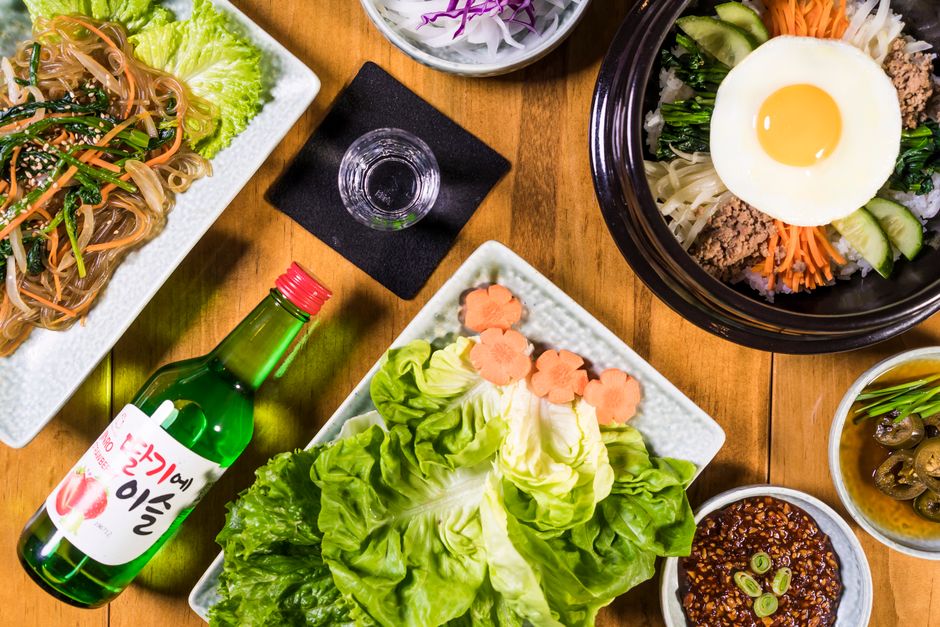
Japchae (잡채) is Korea’s glass noodle dish: chewy sweet potato starch noodles tossed with vegetables and a sweet-savory soy sauce, built for special occasions like Seollal (Korean New Year) and potlucks. It looks complex with its array of colorful ingredients, but it’s more approachable than it seems. This guide covers three styles — classic, vegetarian, and quick — so you can pick the right one for your schedule and dietary needs.
The traditional method — cooking each vegetable separately — intimidates a lot of home cooks. Below you’ll find practical tips, ingredient substitutions, and streamlined techniques that make japchae doable on a weeknight, not just for special occasions.
Japchae Styles: A Quick Comparison
There are three main ways to approach japchae, each suited to a different schedule, skill level, and occasion.
| Feature | Classic Japchae (Beef & Veggies) | Vegetarian Japchae | Quick & Easy Japchae |
|---|---|---|---|
| Main Protein | Marinated beef (often bulgogi-style) | Mushrooms, tofu, or extra vegetables | Minimal/optional meat, sometimes pre-cooked chicken |
| Prep Time | 45-60 minutes (multi-step cooking) | 35-50 minutes (still separate cooking) | 25-35 minutes (streamlined cooking) |
| Flavor Profile | Rich, savory, deeply umami with beef | Light, fresh, earthy with mushroom umami | Balanced, quick savory-sweet, versatile |
| Best For | Special occasions, traditional gatherings | Meatless meals, health-conscious diets | Weeknights, last-minute potlucks, beginners |
| Complexity | Medium-High (separate cooking for components) | Medium (focus on vegetable prep) | Low-Medium (simplified steps) |
What unites all three is the noodle itself: chewy dangmyeon (당면, sweet potato starch noodles) coated in a glistening, savory-sweet sauce. Whichever method you use, that’s the texture and flavor you’re building toward.
The Classic Japchae: Beef and Assorted Vegetables
The classic version is often reserved for festive occasions and family gatherings. It’s built from individually cooked vegetables and tender, marinated beef, tossed with glass noodles and a sweet-savory soy sauce dressing. Cooking each component separately means nothing gets overcooked — each vegetable keeps its own texture and color instead of blending together.
Thinly sliced beef (sirloin or ribeye works well) is marinated in a bulgogi-style sauce — soy sauce, sugar, minced garlic, sesame oil, black pepper — then quickly stir-fried. Meanwhile, the vegetables (spinach, carrots, onions, bell peppers, shiitake mushrooms) are blanched, sautéed, or stir-fried separately, each seasoned lightly with salt and sesame oil. It takes more time, but the flavor payoff is real.
Cooking everything separately gives you control over doneness — spinach stays vibrant green, carrots crisp-tender, mushrooms earthy. Once all the components are ready, toss them with the cooked dangmyeon and the sauce (soy sauce, sugar, sesame oil, and often a touch of mirin/미림, rice wine). Mixing by hand, rather than with tongs, coats every strand evenly and gives the dish its glossy finish.
Vegetarian Japchae: A Lighter, Meat-Free Option
Vegetarian japchae swaps out the beef but keeps the flavor and texture. It works for vegetarians, but also for anyone who wants a lighter meal without giving anything up. The trick is maximizing umami through the choice of vegetables and, optionally, plant-based proteins.
Instead of beef, a variety of mushrooms shine here. Shiitake mushrooms, with their intense earthy flavor, are a staple, but you can also use oyster mushrooms, cremini, or king oyster mushrooms for varied textures. Tofu, pressed and pan-fried or baked until golden, adds a protein boost and a different textural element. The same array of vegetables – spinach, carrots, onions, bell peppers – remains. The preparation still usually calls for cooking each component separately, though stir-frying them in succession works too if you’re short on time.
The sauce mirrors the classic version — soy sauce, sugar, sesame oil — but a dash of mushroom broth or vegetarian dashi powder adds back the umami depth that beef would otherwise provide. The result holds its own against the meat version and works well for gatherings with mixed dietary needs.
Quick & Easy Japchae: Streamlined for Busy Cooks
This version is for busy weeknights or when you need japchae in a pinch. It streamlines the traditional steps without giving up the core flavors, which also makes it a good starting point if you’re making japchae for the first time.
The main time-saving trick in this simplified japchae is to reduce the number of separate cooking steps. Instead of individually stir-frying each vegetable, you can often cook them in succession in the same pan, or even combine a few similar vegetables together. For example, sautéing onions, carrots, and bell peppers together, followed by a quick wilt of spinach, significantly cuts down on cooking time and cleanup. If you’re adding meat, pre-cooked chicken or thinly sliced pork can be quickly stir-fried alongside the vegetables, or omitted entirely for an even faster vegetarian-friendly meal.
The sauce can be shortcut too — a pre-made Korean BBQ sauce with extra sesame oil and soy sauce works, or just soy sauce, a sweetener (sugar or maple syrup), and sesame oil. This version is also flexible enough to use whatever vegetables you already have in the fridge.
Choosing Your Perfect Japchae Style
Use these questions to figure out which version fits tonight.
- How much time do you have for preparation and cooking?
- If you have ample time (1 hour+), consider the Classic Japchae for its rich, layered flavors.
- If you have moderate time (45-60 minutes), Vegetarian Japchae offers a delicious and healthy option.
- If you’re short on time (under 40 minutes), the Quick & Easy Japchae is your best friend.
- What are your dietary preferences or those of your guests?
- For meat-eaters who love traditional Korean flavors, Classic Japchae is ideal.
- For vegetarians, vegans (omit egg garnish), or those seeking a lighter meal, Vegetarian Japchae is perfect.
- For a flexible option that can be easily adapted with or without meat, choose Quick & Easy Japchae.
- What ingredients do you have on hand or can easily access?
- If you have a wide variety of fresh vegetables and beef, go for the Classic.
- If you have an abundance of mushrooms and other veggies, Vegetarian Japchae is a great choice.
- If you only have a few staple vegetables and need to improvise, the Quick & Easy method is forgiving and adaptable.
- What’s the occasion?
- For holidays, special dinners, or impressing guests, the Classic Japchae truly shines.
- For a healthy weeknight meal or a casual potluck, Vegetarian or Quick & Easy Japchae are excellent.
These are guidelines, not rules — adjust vegetables, protein, and sauce ratios to match what’s in your kitchen.
Mastering the Japchae Technique: Essential Tips
A few techniques apply no matter which style you make. These are what I picked up while living in Korea and cooking alongside local friends — they’re what actually gets you the right texture and flavor balance.
First and foremost, perfect noodle preparation is key. Use good quality dangmyeon (당면), the sweet potato starch noodles. Boil them according to package directions, usually 6-8 minutes, until they are translucent and chewy but not mushy (al dente). Immediately drain them, rinse under cold water to stop the cooking process and prevent sticking, then drain very well. Tossing them with a tablespoon (15 ml) of sesame oil while still warm will further prevent clumping and add a layer of flavor from the start. This step is crucial for achieving the springy, satisfying texture that defines japchae.
Another vital tip is to season each component separately, or at least in stages. While the final sauce coats everything, giving individual ingredients a light seasoning (a pinch of salt for blanched spinach, a dash of soy sauce for sautéed mushrooms) builds layers of flavor. This prevents any single ingredient from tasting bland and ensures a well-rounded dish. When it comes to mixing, use your hands! This might sound messy, but gently tossing the noodles, vegetables, meat, and sauce by hand ensures every strand of noodle and every piece of ingredient is evenly coated without breaking the delicate noodles. Just make sure your hands are clean and maybe wear some food-safe gloves!
Noodle Texture, Make-Ahead, Reheating
Common questions from home cooks making japchae for the first time.
Can I make Japchae ahead of time?
Absolutely! Japchae is one of those wonderful dishes that often tastes even better the next day as the flavors meld. You can prepare all the components (noodles, vegetables, meat) and the sauce separately, then store them in airtight containers in the refrigerator for up to 2-3 days. When you’re ready to serve, simply combine everything and gently warm it up.
If you’ve already mixed everything, japchae can be stored in an airtight container in the fridge for 2-3 days. To reheat, you can microwave it for 1-2 minutes, stirring halfway, or gently warm it in a large pan over medium-low heat, adding a splash of water or sesame oil to prevent drying out and help loosen the noodles. Avoid high heat, as it can make the noodles tough and rubbery.
What kind of noodles should I use for Japchae?
For authentic japchae, you must use dangmyeon (당면), which are sweet potato starch noodles. These translucent, grayish-brown noodles become clear and incredibly chewy when cooked, giving japchae its signature texture. They are naturally gluten-free, making them a great option for those with dietary sensitivities.
You can find dangmyeon at most Asian grocery stores, often in the dried noodle aisle, sometimes labeled as ‘glass noodles’ or ‘cellophane noodles’ (though be careful, as some cellophane noodles are made from mung bean starch, which has a slightly different texture). While you can technically use other noodles in a pinch, like vermicelli, they won’t provide the same chewy, satisfying bite that dangmyeon does, so it’s worth seeking out the real deal.
How do I prevent the noodles from sticking together?
Noodles sticking together is a common issue, but easily preventable! After boiling your dangmyeon to al dente perfection, immediately drain them and rinse thoroughly under cold running water. This stops the cooking process and washes away excess starch, which is a primary culprit for stickiness and clumping.
Once rinsed and well-drained, toss the still-warm noodles with about 1 tablespoon (15 ml) of sesame oil. The oil creates a protective coating around each strand, preventing them from clumping. Some cooks also cut the long noodles into shorter, more manageable lengths (about 6-8 inches or 15-20 cm) with kitchen shears after rinsing, which also helps prevent tangling and makes the dish easier to eat, especially for children or when serving a crowd.
Your Japchae Shopping Guide
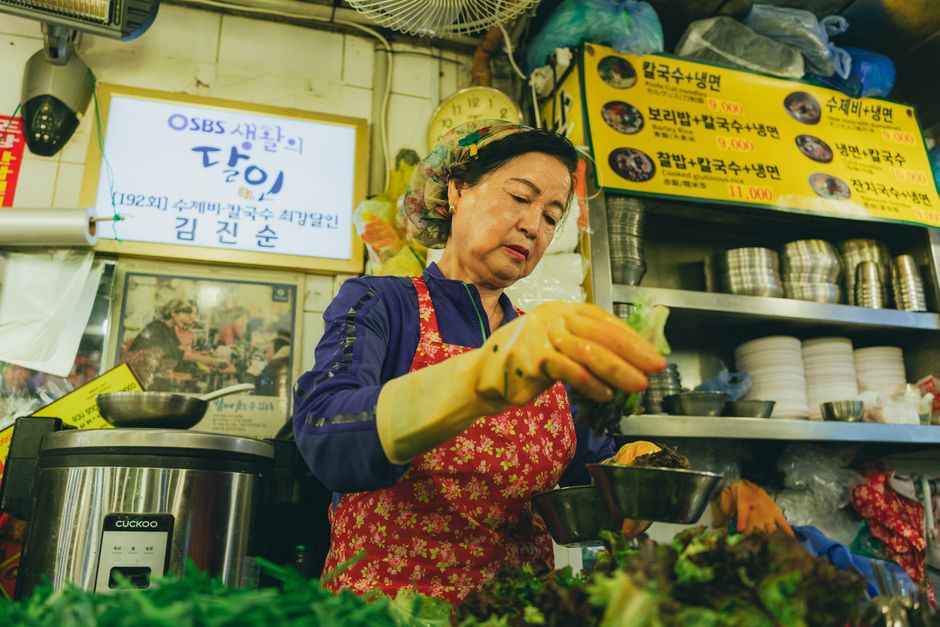
A few specialized Korean ingredients are essential for authentic japchae. Here’s what to look for, where to find it, and roughly what it costs.
- Dangmyeon (Sweet Potato Starch Noodles): This is non-negotiable for authentic japchae. Look for packages labeled ‘sweet potato starch noodles’ or ‘dangmyeon’ (당면). Brands like Ottogi or Chungjungone are reliable. A 500g (1.1 lb) package usually costs around $3-6 USD and will yield several batches of japchae.
- Soy Sauce (Ganjang): Use a good quality Korean or Japanese soy sauce (간장). Kikkoman or Sempio are excellent choices. A standard bottle (about 1 liter or 34 fl oz) is around $4-8 USD.
- Sesame Oil (Chamgireum): Toasted sesame oil (참기름) is crucial for its nutty aroma and flavor. Don’t confuse it with light sesame oil used for high-heat cooking. A small bottle (around 5 oz or 150 ml) typically costs $3-7 USD, but a little goes a long way, so it’s a worthwhile investment.
- Mirin (미림, Rice Wine): A sweet cooking rice wine that adds depth and subtle sweetness to the sauce. You can find this in most grocery stores’ international aisles or Asian markets for $5-10 USD a bottle. If unavailable, a dry sherry or even a pinch more sugar can be a substitute, though the flavor won’t be identical.
- Fresh Vegetables: You’ll need spinach, carrots, onions, and bell peppers (red, yellow, or green for color). Shiitake mushrooms are highly recommended for their umami, but feel free to add other seasonal vegetables like zucchini or bok choy. These are readily available at any grocery store. Prices vary seasonally, but expect to spend $10-15 USD for a good assortment.
- Beef (optional): For classic japchae, thinly sliced beef (sirloin, ribeye, or even pre-sliced bulgogi meat) is best. Look for it at your butcher or Asian grocery store. About 250-300g (0.5-0.7 lb) will cost $6-12 USD, depending on the cut and market.
- Garlic and Sugar: Standard pantry items. Use fresh garlic for the best flavor, mincing it finely to distribute its pungent notes evenly throughout the dish.
Check expiration dates on fresh vegetables, and make sure noodle and sauce packaging is intact before you buy.