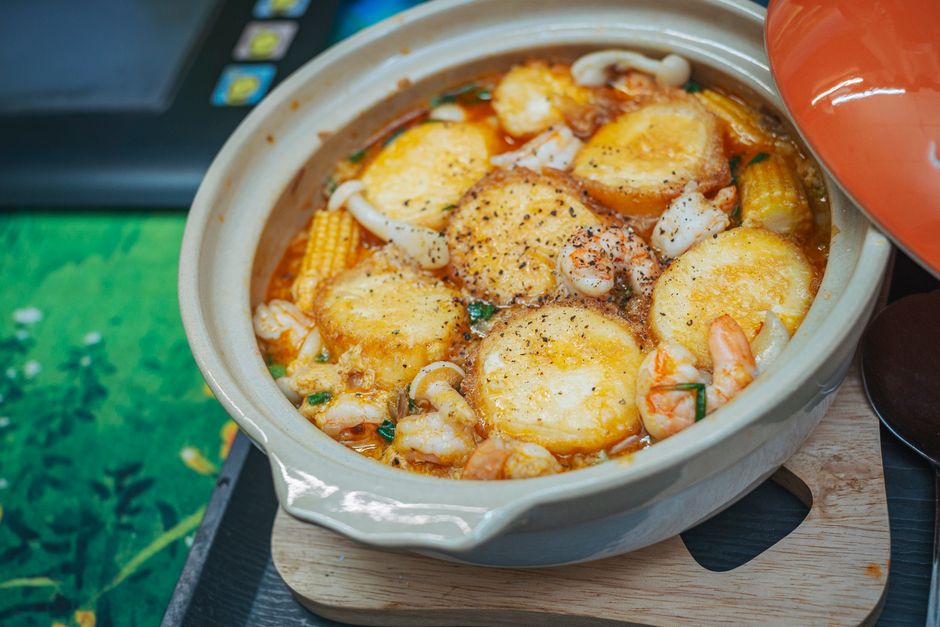
There’s nothing quite like a steaming bowl of Sundubu Jjigae (soft tofu stew) to warm you from the inside out. If you’ve ever watched a K-drama, you’ve likely seen characters gathered around a bubbling stone pot, savoring this iconic Korean comfort food. It’s built on simplicity: silky tofu, a deeply savory broth, and a comforting kick of spice.
This guide shows you how to make it at home — the secret to a rich broth, the right balance of spice, and how to keep the tofu silky rather than mushy.

Quick Overview: Sundubu Jjigae Essentials
| Item | Detail |
|---|---|
| Difficulty | Medium |
| Prep Time | 15 minutes |
| Cook Time | 20-25 minutes |
| Serves | 2-4 people |
| Key Feature | Comforting, spicy, savory |
| Best Served With | Steamed rice, banchan |
| Dietary Options | Vegetarian/vegan adaptable |
| Gluten-Free Option | Yes (use GF soy sauce) |
Ingredients for Authentic Sundubu Jjigae
An authentic Sundubu Jjigae starts with the right ingredients. The list looks long, but each component plays a real role in building the stew’s flavor. Most items are available at a well-stocked Asian grocery store or online; we’ve noted substitutes where possible.
Main Ingredients:
- Soft (Silken) Tofu (Sundubu): 2 tubes (approx. 12 ounces or 340 grams each). This is the star! Look for the kind packaged in a tube, often labeled ‘soft’ or ‘silken’ tofu. Its incredibly delicate texture is what defines Sundubu Jjigae. Do not substitute with firm or extra-firm tofu.
- Pork Belly or Beef Brisket (optional): 4 ounces (approx. 115 grams), thinly sliced. Traditionally, a small amount of meat adds depth. You can also use clams or shrimp for a seafood version, or omit for vegetarian.
- Egg: 1-2 large eggs. Cracked directly into the stew at the end, it cooks gently in the hot broth, adding richness.
Aromatics & Vegetables:
- Korean Radish (Moo) or Daikon: 2 ounces (approx. 55 grams), thinly sliced or julienned. Adds a subtle sweetness and depth to the broth. If unavailable, a few slices of white onion can be a loose substitute.
- Onion: ½ medium onion (approx. 3 ounces or 85 grams), thinly sliced.
- Garlic: 4 cloves, minced (approx. 2 tablespoons or 30 grams). Freshly minced garlic is key for flavor.
- Green Onion (Scallions): 2 stalks, chopped (white and green parts separated). For garnish and flavor.
- Enoki Mushrooms (optional): 1 small bunch (approx. 3.5 ounces or 100 grams), trimmed. Adds texture and umami.
- Zucchini: ¼ medium zucchini (approx. 2 ounces or 55 grams), half-moon slices. Adds freshness and texture.
Broth Base:
- Dried Anchovies (Myeolchi): 10-12 large dried anchovies, heads and guts removed. Essential for a traditional Korean broth.
- Dried Kelp (Dashima): 1 large piece (approx. 4×4 inches or 10×10 cm). Enhances umami in the broth.
- Water: 3 cups (710 ml) for broth, plus 1 cup (240 ml) for the stew.
Seasoning & Spice:
- Gochugaru (Korean chili flakes): 2 tablespoons (approx. 15 grams). This is the cornerstone of Sundubu Jjigae’s vibrant red color and signature heat. Look for a fine or medium grind. If you prefer less spice, start with 1 tablespoon and adjust to taste.
- Gochujang (Korean chili paste): 1 teaspoon (approx. 7 grams). Adds a deeper, fermented chili flavor and slight sweetness.
- Soy Sauce: 1 tablespoon (15 ml). Use light soy sauce or Ganjang (Korean soy sauce).
- Sesame Oil: 1 teaspoon (5 ml). For finishing, adds a nutty aroma.
- Salt & Black Pepper: To taste.
- Vegetable Oil (or other neutral oil): 1 tablespoon (15 ml), for sautéing.
Step-by-Step: How to Make Sundubu Jjigae
1. Prepare the Anchovy-Kelp Broth (Myeolchi Yuksu)
Begin by making your flavorful base broth. In a medium pot, combine 3 cups (710 ml) of water with the cleaned dried anchovies and dried kelp. Bring the water to a boil over medium-high heat, then immediately reduce the heat to low and simmer for 15 minutes. This gentle simmer allows the umami from the anchovies and kelp to infuse into the water without becoming bitter. After 15 minutes, remove and discard the anchovies and kelp. Set the broth aside.
2. Sauté Aromatics and Protein
Heat 1 tablespoon (15 ml) of vegetable oil in a heavy-bottomed pot or a traditional Korean stone pot (dolsot) over medium heat. Add the thinly sliced pork belly or beef (if using) and cook until lightly browned and some fat has rendered, about 3-4 minutes. If using seafood, add it later to prevent overcooking. Next, add the minced garlic, sliced onion, and the white parts of the chopped green onions. Sauté for another 2-3 minutes until the aromatics are fragrant and the onion has softened.
3. Build the Flavor Base
Reduce the heat to low. Stir in the gochugaru (Korean chili flakes) and gochujang (Korean chili paste) with the sautéed aromatics and meat. Cook for about 1 minute, stirring constantly. This step is crucial for blooming the chili powder, releasing its full color and flavor into the oil. Be careful not to burn the chili powder, as it can turn bitter quickly. The mixture should become a vibrant red paste.
4. Add Liquids and Vegetables
Pour in 1 cup (240 ml) of the prepared anchovy-kelp broth (or plain water if you skipped the broth step, though broth is highly recommended for flavor) and 1 tablespoon (15 ml) of soy sauce. Bring the mixture to a gentle boil. Add the sliced Korean radish (or daikon) and zucchini. Reduce the heat to medium-low and let it simmer for 5-7 minutes, allowing the vegetables to soften slightly and their flavors to meld with the broth.
5. Incorporate Soft Tofu and Finish
Gently squeeze the soft tofu out of its tubes directly into the simmering stew. Use a spoon or your hand to break the tofu into large, irregular chunks. Avoid over-stirring, as this can break the delicate tofu into too small pieces. If using seafood like clams or shrimp, add them now. Let the stew simmer for another 5-7 minutes, until the tofu is heated through and the flavors have fully combined. Taste and adjust seasoning with salt and pepper if needed.
6. Add Egg and Serve
Just before serving, crack 1 or 2 eggs directly into the bubbling stew. The residual heat will gently poach the egg. Sprinkle with the green parts of the chopped green onions and a drizzle of sesame oil. Serve immediately, piping hot, preferably in the stone pot it was cooked in, alongside a bowl of steamed rice and your favorite banchan (Korean side dishes).
Tips & Tricks for the Best Sundubu Jjigae
- The Power of the Broth: Don’t skip the anchovy-kelp broth! It’s the secret to a deeply flavorful, authentic Sundubu Jjigae. The umami it provides is unmatched by plain water. If you’re vegetarian, use a mushroom-based broth.
- Bloom the Chili: Cooking the gochugaru and gochujang in oil at a low heat before adding liquid is essential. This ‘blooming’ process releases their vibrant color and complex flavors, preventing a raw chili taste.
- Handle Tofu Gently: Soft tofu is very delicate. Break it into large, rustic chunks directly into the pot and avoid aggressive stirring. The beauty of sundubu lies in its irregular, silky texture.
- Use a Dolsot (Stone Pot): While not mandatory, cooking and serving in a dolsot keeps the stew bubbling hot throughout your meal, enhancing the experience. Just be careful, these pots retain heat for a long time!
- Adjust Spice to Your Liking: The recipe calls for a moderate spice level. If you prefer milder, reduce the gochugaru. For more heat, add an extra tablespoon or a fresh chopped chili pepper.
- Taste and Adjust: Always taste your stew before serving. Seasoning can vary based on the saltiness of your soy sauce and broth. Don’t be afraid to add a pinch more salt or a dash of soy sauce to balance the flavors.
Variations and Customizations
One of the joys of Sundubu Jjigae is its versatility. While the base flavor remains consistent, you can easily adapt the stew to suit your preferences or what you have on hand. Don’t be afraid to experiment once you’ve mastered the basic recipe.
Protein Power-Ups
While pork belly or beef brisket are traditional, you have many options. For a seafood Sundubu Jjigae, add a mix of shrimp, clams, mussels, or even small pieces of cod. Simply add seafood during the last 5-7 minutes of cooking to prevent overcooking. For a purely vegetarian version, simply omit the meat and ensure your broth is mushroom-based or vegetable-based. You can add extra mushrooms (like shiitake or oyster mushrooms) for more texture and umami.
Spice Level & Additional Vegetables
If you’re a heat seeker, consider adding a fresh Korean green chili pepper (cheongyang gochu) or a pinch of extra gochugaru. For a milder stew, reduce the gochugaru to 1 tablespoon. Beyond the suggested zucchini and Korean radish, feel free to incorporate other vegetables like enoki mushrooms (as suggested), napa cabbage, spinach, or even a handful of bean sprouts for added crunch. Just be mindful of cooking times to ensure vegetables are tender-crisp, not mushy.
Serving Suggestions
The Classic Accompaniments
Sundubu Jjigae is traditionally served as part of a larger Korean meal, but it can certainly stand alone as a hearty main dish. The most crucial accompaniment is a bowl of freshly steamed white rice. The rice is not just a side; it’s meant to be eaten with the stew, often by spooning some stew over the rice or alternating bites. The starchiness of the rice helps to balance the richness and spice of the jjigae.
Essential Banchan
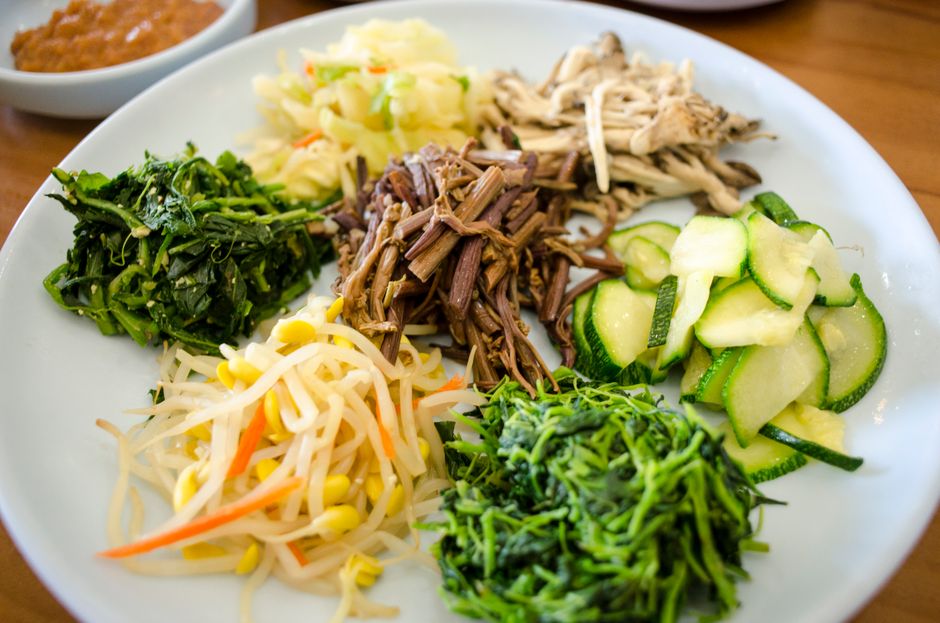
No Korean meal is complete without an array of banchan (side dishes). For Sundubu Jjigae, staple banchan like kimchi (fermented spicy cabbage), gyeran-mari (rolled omelet), kongnamul muchim (seasoned soybean sprouts), or sigeumchi namul (seasoned spinach) are perfect complements. These sides offer contrasting textures and flavors that enhance the overall dining experience, providing a fresh counterpoint to the hot, spicy stew.
Common Mistakes to Avoid
- Using the Wrong Tofu: This is the most common mistake. Firm or extra-firm tofu will not give you the characteristic silky, melt-in-your-mouth texture of Sundubu Jjigae. Always use soft or silken tofu, preferably the kind sold in tubes.
- Skipping the Broth: While you can technically use plain water, omitting the anchovy-kelp broth significantly diminishes the depth of flavor. The umami from the broth is fundamental to authentic taste.
- Burning the Chili Powder: When blooming the gochugaru in oil, keep the heat low and stir constantly. Burnt chili powder will impart a bitter, unpleasant taste to your stew.
- Over-stirring the Tofu: Once the soft tofu is added, handle it gently. Excessive stirring will break it down into a mushy consistency, losing its appealing chunky texture.
- Not Adjusting Seasoning: Different brands of soy sauce and broth can vary in saltiness. Always taste your stew before serving and adjust salt and pepper as needed. A slightly bland stew can be easily remedied with a pinch more salt.
Tofu Texture, Broth, and Spice Level
What kind of tofu is best for Sundubu Jjigae?
For authentic Sundubu Jjigae, you absolutely must use soft (or silken) tofu, specifically the kind that comes in a tube. This type of tofu has a very high water content and an incredibly delicate, custardy texture that practically melts in your mouth.
Do not substitute with firm, extra-firm, or even medium-firm block tofu, as these will yield a completely different, less desirable texture. The soft tofu is the defining characteristic of this stew, giving it its name and unique appeal.
Can I make Sundubu Jjigae vegetarian or vegan?
Yes, absolutely! Sundubu Jjigae is incredibly versatile and can be easily adapted for vegetarian and vegan diets. To make it vegetarian, simply omit the pork belly or beef and the egg.
For a vegan version, in addition to omitting meat and egg, ensure your broth is made with vegetable stock or a mushroom-based broth instead of anchovy-kelp. You can also add extra mushrooms (like shiitake or enoki) or other vegetables to enhance the umami and texture.
How do I adjust the spice level of Sundubu Jjigae?
The spice level of Sundubu Jjigae is primarily controlled by the amount of gochugaru (Korean chili flakes) you use. The recipe suggests 2 tablespoons for a moderate spice level, which is typical for many Korean households.
If you prefer a milder stew, start with 1 tablespoon of gochugaru and taste before adding more. For those who love intense heat, you can increase the gochugaru to 3 tablespoons or even add a fresh chopped Korean green chili (cheongyang gochu) along with the other aromatics.
Can I prepare Sundubu Jjigae ahead of time?
While Sundubu Jjigae is best enjoyed fresh off the stove, you can prepare some components in advance. The anchovy-kelp broth can be made and stored in the refrigerator for up to 3 days or frozen for longer. You can also chop all your vegetables and slice your meat ahead of time.
However, it’s not recommended to fully cook the stew and reheat it, especially with the soft tofu and egg. The tofu can break down further and the egg will overcook. For the best experience, assemble and cook the stew just before serving.
One Last Tip
Quality ingredients matter more than technique here — fresh garlic, good gochugaru, and real tube-packaged soft tofu make the biggest difference. Get the broth right, handle the tofu gently, and serve it bubbling hot with rice. That’s really all there is to it.