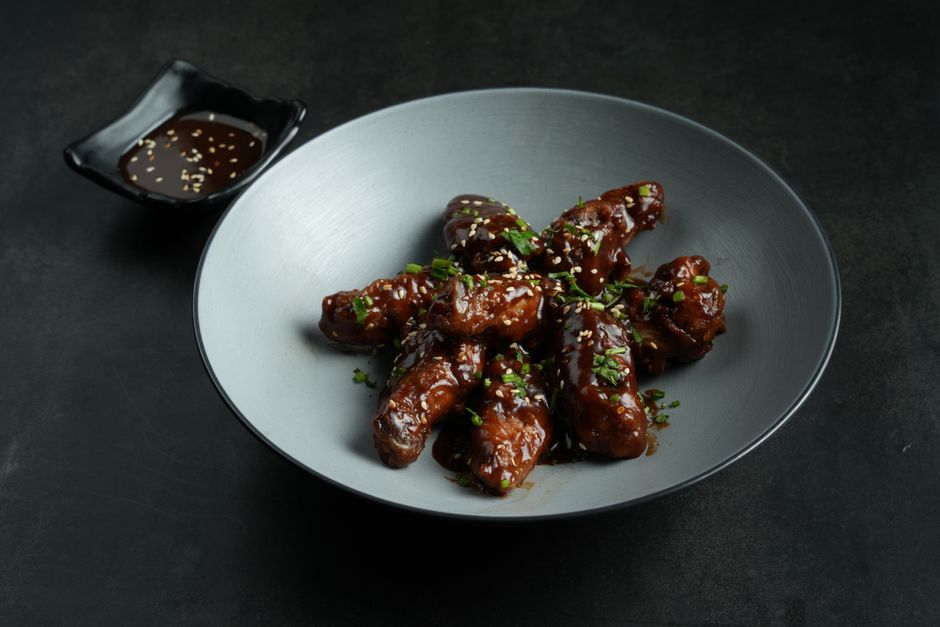
American Fried Chicken (AFC) and Korean Fried Chicken (KFC) both deliver crispy, juicy poultry, but they get there through different histories, techniques, and flavor logic entirely. This guide breaks down what makes Korean fried chicken shatter when you bite into it, and why American fried chicken tastes like pure comfort food.
Whether you’re chasing the authentic taste of chimaek (chicken and beer) or trying to nail a new recipe at home, here’s where the batter, the frying method, and the sauce actually diverge between the two styles.
The Crispy Truth: What Makes Korean Fried Chicken Unique?
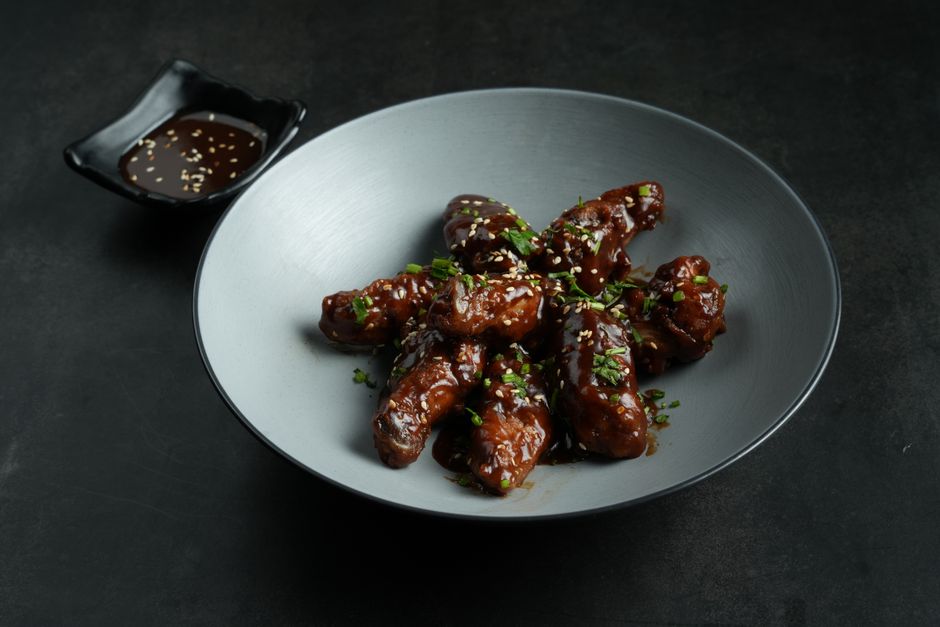
Korean Fried Chicken, often affectionately called KFC (not to be confused with the fast-food chain), has taken the world by storm with its signature ultra-crispy skin and sauces. Originating after the Korean War, its popularity boomed in the 1980s and 90s, evolving from a simple fried snack into a dish enjoyed at social gatherings, often paired with beer as anju (drinking food). What sets it apart immediately is its thin, almost translucent crust, which shatters with an audible crunch.
The secret lies in the preparation. Unlike its American counterpart, Korean fried chicken often uses a lighter batter, frequently incorporating potato starch or corn starch alongside regular flour, sometimes rice flour. This blend, combined with a double-frying process, creates a thin, crisp coating that’s less greasy and stays crunchy longer, even under sauce. The chicken pieces are typically smaller, giving more surface area to crisp up and absorb flavor.
Beyond the crunch, KFC is known for its diverse, intensely flavorful sauces. The most iconic are the sweet and spicy yangnyeom (seasoned chicken) sauce, made with gochujang (Korean chili paste), garlic, soy sauce, and sugar, and the savory-sweet ganjang (soy garlic) sauce. These glazes go on after frying, so each piece is coated in flavor while the crust underneath stays crisp.
Classic Comfort: The Allure of American Fried Chicken
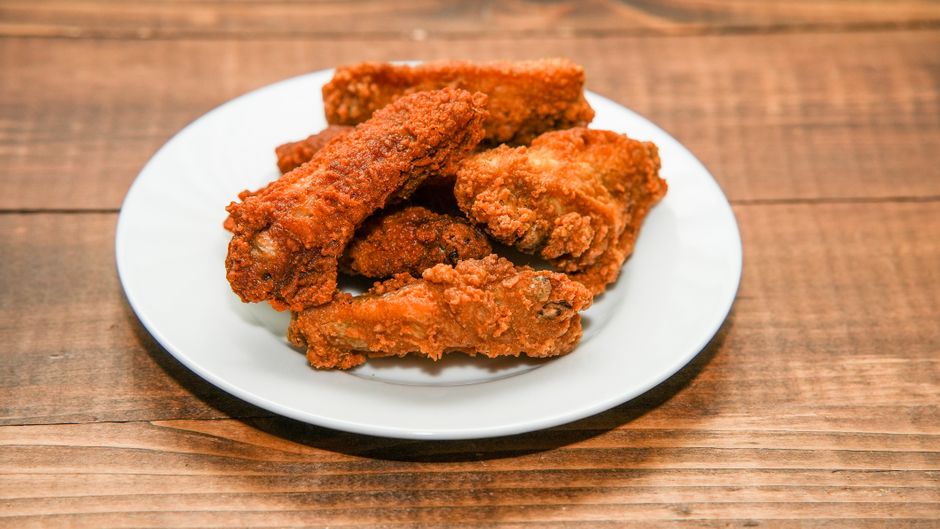
American Fried Chicken is a staple of the culinary landscape of the United States, particularly the South. Its origins trace back to Scottish frying techniques combined with West African seasoning traditions, evolving into the hearty dish known today. AFC is characterized by its thick, craggy, savory crust encasing juicy meat. It’s often tied to family gatherings, picnics, and Sunday dinners.
Preparation typically begins with brining, often in buttermilk, which tenderizes the meat and adds a tangy flavor. The chicken pieces — usually larger cuts like drumsticks, thighs, and breasts — are heavily seasoned with salt, pepper, paprika, garlic powder, and other spices before being dredged in a thick flour mixture. This coating is built to form a substantial, flavorful crust that adheres firmly during frying.
Frying is generally a single-stage process, pan-fried in cast iron or deep-fried, resulting in a golden-brown crust that cracks when bitten into. Unlike KFC, American fried chicken is usually served plain, letting the seasoned crust and juicy meat carry the flavor. Mashed potatoes, gravy, coleslaw, and biscuits are the common sides, rounding out a meal built on generations of tradition.
Ingredient Showdown: Batter, Brine & Beyond
The differences between Korean and American fried chicken start with how the chicken is prepared and coated, and that choice drives the final texture and flavor.
Korean Fried Chicken’s batter is intentionally light. It typically combines all-purpose flour with potato starch and/or corn starch, sometimes a touch of baking powder or rice flour, mixed with cold or sparkling water into a thin, almost translucent coating that fries up crisp and airy. The marinade is simple — ginger, garlic, soy sauce, and a hint of mirin (sweet rice wine) — flavoring the chicken subtly and leaving room for the post-frying sauce to dominate.
American Fried Chicken relies on a more robust coating. The chicken is often brined in buttermilk, whose lactic acid tenderizes the meat and adds a slight tang. The dredging flour is all-purpose flour, heavily seasoned with salt, black pepper, paprika, garlic powder, onion powder, and sometimes cayenne. This seasoned flour forms a thick crust that carries most of the dish’s flavor — the goal isn’t just crispiness but a substantial, savory shell.
Both styles fry in neutral oils — vegetable, canola, or peanut — for a clean-tasting result. Where they diverge is flavor timing: KFC is almost always sauced or glazed after frying, with yangnyeom or ganjang as the go-to options. AFC is typically served as-is, seasoned crust doing the work, though hot sauce or gravy can be added at the table.
The Frying Game: Techniques That Define Crispiness
The cooking technique is probably the biggest differentiator between the two styles. Both deep-fry, but how they get to crispy and juicy is not the same at all.
KFC’s crunch comes from a double-frying process. After a brief marinade, the chicken (often smaller, bone-in or boneless pieces) is lightly coated in the starch-based batter. The first fry, at a lower temperature (around 320°F / 160°C), runs 10-12 minutes and cooks the chicken through while setting the initial crispness. After a 5-10 minute rest, it’s fried again at a higher temperature (350-375°F / 175-190°C) for 2-4 minutes. This second fry drives out remaining moisture from the skin and batter, producing the light, shatteringly crisp crust that resists going soggy even under sauce.
American Fried Chicken typically uses a single-fry method. The brined and seasoned chicken, coated in its thick flour dredge, is deep-fried or pan-fried at a steady temperature (325-350°F / 160-175°C) for a longer 15-20 minutes, depending on the cut. The single fry lets the thicker batter cook through and develop deep flavor, producing a crunchy but more rugged exterior than KFC’s delicate crispness. The slightly lower, steadier temperature and longer time cook the larger pieces through without burning the crust.
Flavor Profiles: Sweet, Spicy, Savory, or Savory & Simple?
The most immediate difference for the eater is flavor. Korean Fried Chicken’s flavor is complex — sweet, spicy, savory, and tangy notes layered mostly through its sauces.
The popular yangnyeom sauce blends sweet (sugar, honey, or corn syrup) with spicy (gochujang, chili flakes, garlic), often with a tangy kick from vinegar. Ganjang sauce is savory and slightly sweet, built on soy sauce, garlic, and ginger. These sauces aren’t an afterthought — they’re the point. The light batter and subtle marinade act as a canvas so the glaze can carry the flavor.
American Fried Chicken takes a more straightforward but still satisfying savory route. Flavor comes mainly from the seasoned flour dredge and the chicken itself — salt, black pepper, paprika, garlic powder, sometimes onion powder or cayenne. The buttermilk brine adds a subtle tang and moisture. Biting into AFC means tasting well-seasoned, thick, crunchy crust wrapped around perfectly cooked chicken. Hot sauce can go on the side, but the core experience is the chicken and its crust.
KFC vs. AFC: The Full Comparison Table
Here’s how the key ingredients and techniques stack up side by side:
| Feature | Korean Fried Chicken (KFC) | American Fried Chicken (AFC) |
|---|---|---|
| Batter Base | Light: Potato starch, corn starch, flour, sometimes rice flour. | Thick: All-purpose flour, often seasoned heavily. |
| Marinade/Brine | Light: Ginger, garlic, soy sauce, mirin. | Often buttermilk brine, heavily seasoned (salt, pepper, spices). |
| Frying Technique | Double-fried (lower then higher temp) for ultra-crispiness. | Single-fried (consistent temp) for thick, robust crust. |
| Signature Flavor | Post-fry sauces: Sweet & spicy (yangnyeom), soy garlic (ganjang). | Seasoned crust: Savory, peppery, sometimes spicy from brine. |
| Chicken Cut | Typically smaller pieces (wings, drumettes, boneless bites). | Larger, bone-in pieces (drumsticks, thighs, breasts). |
| Typical Serving | With pickled radish (mu), as anju (with beer), delivery. | With mashed potatoes, gravy, coleslaw, biscuits, family meals. |
How They’re Made: A Process Comparison
Both end in a fried chicken plate, but the path there follows distinct steps.
- Korean Fried Chicken (KFC) Process:
- Marinate: Chicken pieces (often wings, drumettes, or boneless thigh pieces) marinate for 30 minutes to 2 hours in soy sauce, ginger, garlic, and sometimes mirin.
- Batter Prep: A thin batter is made from all-purpose flour, potato starch, corn starch, and cold or sparkling water, often with a pinch of baking powder.
- First Fry: The marinated chicken is coated thinly and deep-fried at around 320°F / 160°C for 10-12 minutes until cooked through and lightly golden.
- Rest: The chicken rests out of the oil for 5-10 minutes, which helps it crisp further.
- Second Fry: It’s fried again at around 350-375°F / 175-190°C for 2-4 minutes until ultra-crispy and golden brown.
- Sauce & Serve: Immediately after the second fry, the hot chicken is tossed in yangnyeom or ganjang sauce and served right away, often with mu (pickled radish).
- American Fried Chicken (AFC) Process:
- Brine (optional but recommended): Chicken pieces (typically larger, bone-in cuts) brine in buttermilk seasoned with salt, pepper, and sometimes hot sauce for at least 4 hours, ideally overnight.
- Dredge Prep: A thick dredge is mixed from all-purpose flour, heavily seasoned with salt, black pepper, paprika, garlic powder, onion powder, and other spices.
- Coat: The brined chicken is shaken off and pressed firmly into the seasoned flour for a thick, even crust.
- Fry: The coated chicken deep-fries or pan-fries at around 325-350°F / 160-175°C for 15-20 minutes, flipping as needed if pan-frying, until golden and cooked to an internal temperature of 165°F (74°C).
- Rest & Serve: The chicken drains on a wire rack and rests a few minutes before serving, typically plain, alongside mashed potatoes, gravy, and coleslaw.
Getting Restaurant-Quality Crunch at Home
A few details separate home-cook fried chicken from the restaurant version, for both styles.
- For Korean Fried Chicken:
- Use starch generously: Potato or corn starch in the batter is what produces the thin, crisp, less oily crust.
- Don’t skip the double fry: The first fry cooks the chicken; the second, hotter fry is what locks in the crispness and keeps it from going soggy.
- Sauce last, toss quickly: Toss the hot, freshly fried chicken in sauce right before serving so it adheres without softening the crust.
- Cut pieces small and even: Uniform drumettes, wingettes, or boneless thigh chunks cook evenly and take on more sauce.
- Don’t overcrowd the pot: Fry in batches — overcrowding drops the oil temperature and leads to greasy, soggy chicken.
- For American Fried Chicken:
- Brine for moisture: A buttermilk brine, at least 4 hours or overnight, keeps larger cuts tender and juicy.
- Season the dredge generously: Most of AFC’s flavor comes from the seasoned flour, so don’t be shy with it.
- Press for a thick coating: Some recipes double-dredge (brine, flour, brine, flour) for extra crunch.
- Watch the oil temperature: Keep it between 325-350°F (160-175°C) with a thermometer — too low makes it greasy, too high burns the crust before the chicken cooks through.
- Rest on a rack after frying: This lets residual heat finish the chicken while keeping the crust crisp.
Variations & Customizations
Both styles leave room to customize flavor and texture once you’ve got the core technique down.
For Korean Fried Chicken, most variation comes from the sauce. Beyond yangnyeom and ganjang, try a honey butter sauce for something milder and sweeter, or a cheesy powder seasoning for a different savory angle. Some restaurants offer a half-and-half option with two sauces on one order. You can dial the spice of yangnyeom up or down with more or less gochugaru (chili flakes), or even ghost pepper powder. Swapping in rice vinegar versus apple cider vinegar changes the sauce’s tang as well.
American Fried Chicken varies well through brining and seasoning. Instead of buttermilk, try a pickle-juice brine for tang, or a spicy brine with jalapeños or habaneros. The flour dredge takes well to different spice blends — Cajun seasoning, smoked paprika, or even curry powder for an unexpected fusion. Some cooks add cornmeal to the dredge for extra coarse texture, or fresh thyme or rosemary for an aromatic edge.
Equipment, Sides, and Nutrition
Can I make Korean Fried Chicken at home without special equipment?
Yes. A deep fryer helps, but a large, heavy-bottomed pot or Dutch oven works fine, as long as there’s enough oil to submerge the chicken and a thermometer to track the temperature for the double fry. Good ventilation matters too.
Fry in smaller batches to avoid overcrowding the pot, which drops the oil temperature and leads to greasy chicken. Sauce ingredients like gochujang, soy sauce, and mirin are readily available at Asian grocery stores or online. The double fry sounds fussy, but it’s a straightforward technique with a big payoff.
What are common side dishes for each type of fried chicken?
Korean Fried Chicken’s most common side is mu (pickled radish) — small, sweet, tangy cubes that cut through the richness of the fried chicken and balance the sweet-spicy sauces. Beer is the other constant (the famous chimaek pairing), sometimes alongside a simple cabbage salad with creamy dressing.
American Fried Chicken comes with hearty, home-style sides: mashed potatoes with gravy, coleslaw, buttermilk biscuits, and often green beans or corn on the cob — built for a complete, comforting meal.
Is one healthier than the other?
Neither is a health food, but there are differences. Korean Fried Chicken’s thinner batter and smaller pieces can absorb less oil per serving, especially when double-fried properly to expel moisture — but the sugary sauces add calories and sugar back in. American Fried Chicken’s thicker, often buttermilk-based coating and larger pieces can run higher in fat and calories from the coating and frying, though its seasoning adds less sugar than KFC’s sauces. In both cases, portion size and ingredients matter more than the style itself — enjoy either in moderation.
Serving Each Style — and Keeping Leftovers Crispy
How you serve and store fried chicken matters more for KFC’s delicate crispness than for AFC’s sturdier crust.
Korean Fried Chicken is best served immediately after saucing, hot and crispy straight to the plate — usually on a shared platter with mu and cold beer. Storage is tricky: sauced chicken loses its crispness as the sauce soaks into the crust over time. If you expect leftovers, store the fried chicken unsauced and add sauce later. Reheat unsauced chicken in an air fryer or oven at 375°F (190°C) for 8-10 minutes until crisp, then toss with warmed sauce.
American Fried Chicken holds up better as leftovers thanks to its thicker crust. Store it in an airtight container in the fridge for 3-4 days. Skip the microwave, which turns it soggy — reheat on a baking sheet in an oven or toaster oven at 350°F (175°C) for 15-20 minutes, or use an air fryer to bring back most of the original crunch.