A steaming bowl of kimchi jjigae or a sizzling plate of bulgogi from a K-drama scene is easy to crave and, for a lot of home cooks, intimidating to actually make. The ingredients look unfamiliar, and the techniques don’t map neatly onto Western cooking the way a stir-fry or a roast does.
This guide breaks down the techniques, pantry staples, and beginner mistakes that actually determine whether a Korean dish turns out right.
Five Core Techniques Behind Every Korean Dish
These five methods show up across almost every Korean recipe. Once they’re familiar, most dishes become variations on the same handful of moves.
| Technique | Description | Key Dish Example |
|---|---|---|
| Mu-chim (무침) | A light, quick method of seasoning blanched vegetables or other ingredients by hand-mixing with dressings. Focuses on fresh textures and vibrant flavors. | Sigeumchi namul (seasoned spinach), oi muchim (spicy cucumber salad) |
| Bokkeum (볶음) | Korean-style stir-frying, often involving a sauce reduction at the end. It’s about achieving tender-crisp textures and deeply infused flavors. | Japchae (stir-fried glass noodles), ojingeo bokkeum (spicy stir-fried squid) |
| Jorim (조림) | A braising or simmering technique where ingredients are cooked in a flavorful, often savory-sweet, sauce until it reduces and coats the food. | Gyeran jorim (braised eggs), jangjorim (soy-braised beef) |
| Guk (국) & Jjigae (찌개) | Soups (guk) and stews (jjigae) are staples. Guk is generally lighter, while jjigae is thicker, richer, and often served bubbling hot. | Miyeok guk (seaweed soup), kimchi jjigae (kimchi stew) |
| Gui (구이) | A grilling or pan-frying method, typically for meats or fish, often marinated beforehand to tenderize and infuse flavor. | Bulgogi (marinated grilled beef), samgyeopsal (grilled pork belly) |
Building Your Korean Kitchen: Essential Ingredients and Tools
A few key ingredients cover most of what Korean cooking asks for, and you don’t need to buy out an entire Asian grocery store to get started. Most of these are available at well-stocked Asian markets, online retailers, or the international aisle of larger supermarkets.
Key ingredients include gochujang (Korean chili paste), a fermented, savory, sweet, and spicy condiment; gochugaru (Korean chili flakes), which provides a vibrant red color and adjustable heat; doenjang (fermented soybean paste), a deeply savory, umami-rich paste similar to Japanese miso but with a distinct Korean profile; and ganjang (Korean soy sauce), which comes in different varieties for specific uses like soups (guk ganjang) or general cooking. Round it out with chamgireum (sesame oil) for its nutty aroma, maesil cheong (plum extract) for sweetness and tenderizing, and plenty of garlic and green onions.
A sharp chef’s knife and cutting board are universal, but a large, sturdy non-stick pan or wok is invaluable for stir-frying (bokkeum) and sautéing. A good-quality pot with a lid is essential for soups (guk) and stews (jjigae), and if you plan on grilling, a cast iron grill pan or a small tabletop grill will elevate your gui dishes. For seasoning salads, a large mixing bowl and your hands are often the best tools for gentle, even distribution.
Mu-chim and Bokkeum: The Two Techniques Worth Practicing First
These two methods cover a huge share of everyday Korean cooking, and they’re the fastest way to get a feel for how Korean seasoning works.
The Art of Mu-chim (Seasoning by Hand)
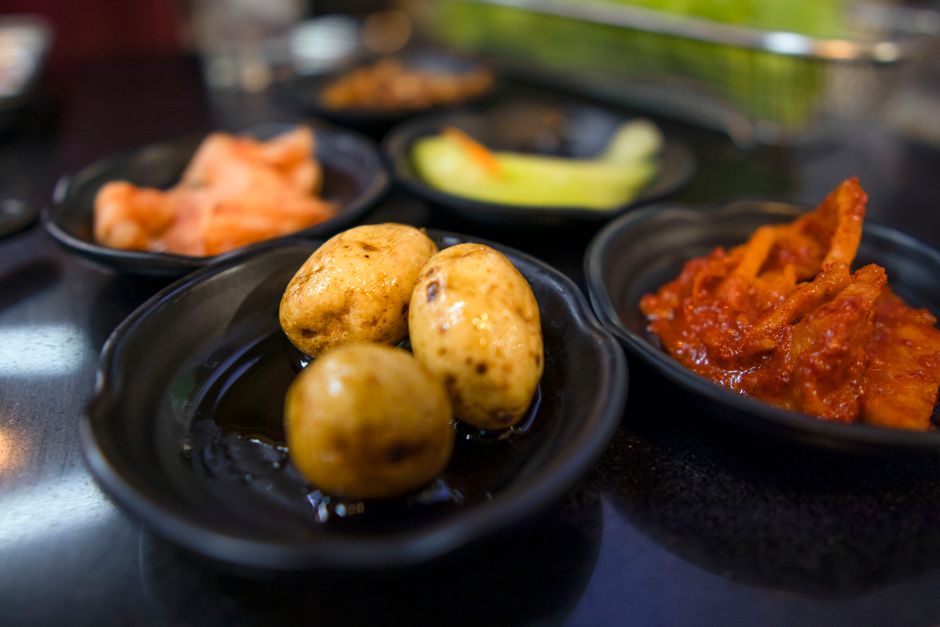
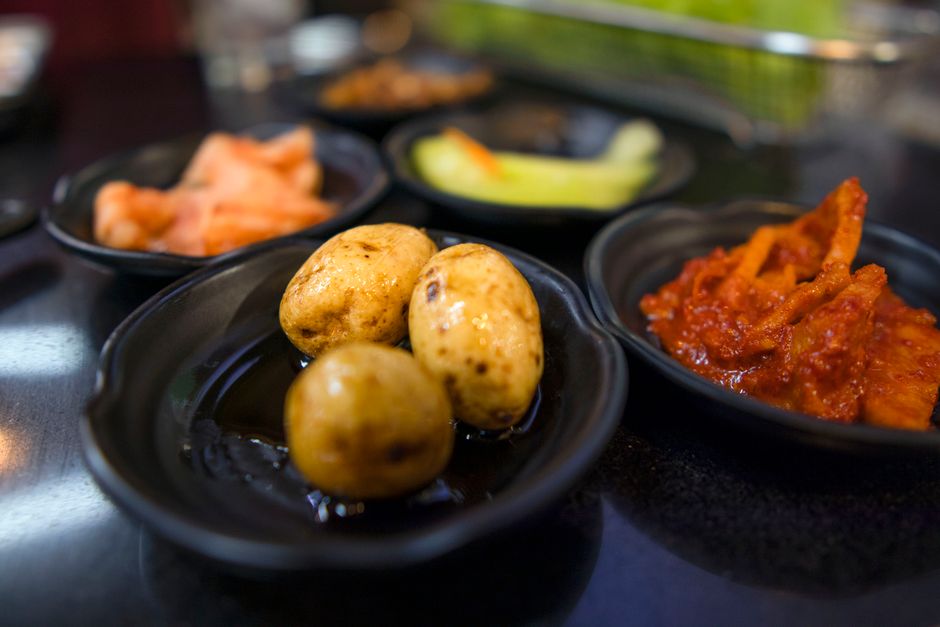
Mu-chim (무침) is less about cooking with heat and more about skillfully seasoning ingredients, typically blanched vegetables, with a vibrant dressing. The key is gentle but thorough mixing by hand, ensuring every piece is coated without mashing the delicate ingredients. This technique is often used for banchan (side dishes) like sigeumchi namul (seasoned spinach) or kongnamul muchim (seasoned bean sprouts).
To perform mu-chim, first blanch your vegetables until just tender-crisp, then immediately rinse them under cold water to stop the cooking and preserve their color and texture. Squeeze out excess water gently. In a large bowl, combine the blanched vegetables with your desired seasonings – typically sesame oil, minced garlic, soy sauce, a pinch of salt, and sometimes gochugaru. Wear clean gloves or use your bare hands to gently massage the seasoning into the vegetables. This direct contact helps distribute the flavors evenly and tenderizes the ingredients slightly, making them more receptive to the seasonings.
Perfecting Bokkeum (Korean Stir-Frying)
Bokkeum (볶음) is the Korean answer to stir-frying, characterized by high heat and quick cooking to maintain crisp textures, often finishing with a savory sauce that coats the ingredients. Unlike some other stir-fries, Korean bokkeum often involves a thicker, clingy sauce made with gochujang or soy sauce, which is added towards the end to reduce and intensify.
Start with a very hot pan or wok, ensuring your ingredients are prepped and ready to go. Cook proteins first, then aromatic vegetables like garlic and ginger, followed by harder vegetables, and finally softer ones. The trick is to avoid overcrowding the pan, which lowers the temperature and steams rather than stir-fries. Cook in batches if necessary. Once everything is cooked through, pour in your pre-mixed sauce and toss continuously until the sauce thickens and beautifully coats every ingredient, creating a glossy finish. This technique is fundamental for dishes like japchae (stir-fried glass noodles) and jeyuk bokkeum (spicy stir-fried pork).

Where Beginners Go Wrong: Pastes, Banchan, and Marinades
A few mistakes come up often enough to be worth flagging in advance.
- Misunderstanding Korean Fermented Pastes: Many beginners confuse doenjang with Japanese miso or use too much gochujang expecting just heat. Each paste has a distinct flavor profile and intensity. Doenjang is saltier and more pungent than miso, while gochujang offers a complex sweet, savory, and spicy flavor, not just raw heat. Using them interchangeably or in incorrect proportions can drastically alter the intended taste of a dish. Always taste test and adjust, starting with smaller amounts.
- Overcooking Vegetables for Banchan: When making namul (seasoned vegetable side dishes), overcooking vegetables like spinach or bean sprouts will result in a mushy texture, losing their characteristic crispness and vibrant color. The goal is to blanch them just until tender-crisp, then immediately shock them in cold water to halt the cooking process. This preserves their snap and freshness, which is a hallmark of good banchan.
- Not Marinating Long Enough: For dishes like bulgogi or galbi, marination is key to tenderizing the meat and infusing it with deep flavor. Rushing this step or not allowing sufficient time (typically at least 30 minutes, but often hours or overnight for best results) will lead to tougher meat and a less flavorful final product. The enzymes in fruit purees (such as Asian pear) and the salt and sugar in the marinade need time to work.
- Ignoring the Role of Sesame Oil: Chamgireum (sesame oil) is often added at the very end of cooking or as a finishing touch in Korean dishes, not typically used for high-heat cooking. Its delicate, nutty aroma can be lost or turn bitter if heated for too long. Adding it at the end ensures its fragrant notes shine through, providing a signature Korean finish to many dishes.
Substitutions, Spice Levels, and Cooking Rice Right
What are the best substitutions for hard-to-find Korean ingredients?
While authentic Korean ingredients provide the best flavor, some common substitutions can work in a pinch. For gochujang, a mix of sriracha, a touch of sugar, and a dash of miso paste can mimic its sweet-spicy-savory profile, though it won’t be exactly the same. For gochugaru, regular chili flakes will add heat but lack the vibrant color and nuanced smokiness; paprika can enhance color. Doenjang is harder to substitute, but a darker, more pungent miso paste like red miso can be a distant alternative for its savory depth, though it will have a different fermentation profile.
For more specific ingredients like maesil cheong (plum extract), honey or corn syrup can provide sweetness, but you’ll miss the subtle tang and tenderizing properties. If you can’t find specific Korean soy sauce (guk ganjang), a light soy sauce can be used, but be mindful of its saltiness. Prioritize finding gochujang, gochugaru, and doenjang first — they’re the ingredients that are truly hard to fake.
How can I manage the spiciness of Korean food?
Korean food is renowned for its spice, largely due to gochugaru and gochujang. If you’re sensitive to heat, you can adjust recipes to your preference. Start with half the amount of gochugaru or gochujang recommended in a recipe and taste as you go, adding more if desired — you can always add more spice, but it’s much harder to take it away.
Another trick is to balance the heat with sweetness and fat. Adding a bit more sugar, honey, or even a splash of maesil cheong can mellow the spiciness. Incorporating dairy, like a drizzle of heavy cream in soups, or pairing spicy dishes with plain rice, cooling vegetables, or creamy ingredients like cheese (a popular addition to tteokbokki) can also help temper the heat.
What are some essential tips for cooking Korean rice?
Rice is the cornerstone of almost every Korean meal, and cooking it perfectly is a skill worth mastering. Koreans typically prefer short-grain white rice, which is plump, slightly sticky, and absorbent. The most crucial step is thorough rinsing: rinse the rice under cold running water multiple times until the water runs clear. This removes excess starch, preventing overly sticky or gummy rice.
For cooking, the traditional ratio is 1 cup of rice to 1 cup of water, though some prefer a slightly lower water ratio (e.g., 1 cup rice to 0.9 cups water) for a firmer texture. While a rice cooker is ideal and highly recommended for consistent results, you can cook it on the stovetop. Bring the rinsed rice and water to a boil, then reduce heat to low, cover tightly, and simmer for about 15-20 minutes until all water is absorbed. Let it rest, covered, for another 10 minutes off the heat before fluffing with a rice paddle. This resting period allows the steam to redistribute, resulting in perfectly cooked, fluffy grains.
Seven Steps to Start Cooking Korean Food With Confidence
Every master chef started as a beginner. Here’s where to actually start.
- Start Simple: Don’t try to make a full hansang (traditional Korean meal with many side dishes) on your first go. Begin with a single, simpler dish like kimchi bokkeumbap (kimchi fried rice) or sigeumchi namul to build confidence.
- Invest in Key Ingredients: Prioritize purchasing gochujang, gochugaru, doenjang, and good quality sesame oil. These form the core flavor profiles and are worth the investment.
- Taste as You Go: Korean cooking often involves balancing sweet, savory, spicy, and umami flavors. Don’t be afraid to taste your food at various stages and adjust seasonings as needed, especially for salt and spice.
- Embrace Banchan: Side dishes are integral to Korean meals. Learning to make a few simple banchan will significantly elevate your dining experience and teach you fundamental seasoning techniques.
- Read Recipes Thoroughly: Before you start cooking, read through the entire recipe. This helps you understand the flow, identify any unfamiliar steps, and ensure you have all ingredients and tools ready (mise en place).
- Watch Videos: Visual learning can be incredibly helpful. Search for videos of Korean chefs demonstrating techniques like knife skills, stir-frying, or how to prepare specific ingredients. Seeing the technique in action can clarify written instructions.
- Don’t Be Afraid to Experiment: Once you’re comfortable with the basics, feel free to put your own spin on recipes. Adjust spice levels, try different vegetables, or experiment with various cuts of meat. Cooking should be fun and creative.