Gochujang, Korean chili paste, is the ingredient behind the sweet, savory, and spicy flavor of countless Korean dishes. Fermentation gives it a complexity that heat alone can’t explain — umami, a subtle sweetness, and a rich kick all in one paste.
This guide covers what gochujang is made of, how it tastes, and simple ways to work it into marinades, sauces, and even fusion dishes — no complicated recipes required.
What Is Gochujang?
Gochujang (고추장) is Korea’s savory, sweet, and spicy fermented condiment. Traditionally it’s made from gochugaru (Korean chili powder), glutinous rice flour, meju (fermented soybean powder), yeotgireum (barley malt powder), and salt, fermented for months or years in earthenware pots called onggi. That fermentation is what sets gochujang apart from other chili pastes: it’s not just spicy, but deeply savory with a distinct sweetness and a subtle tang.
Its umami is rich and pungent, balanced rather than overwhelmed by the heat. Underneath that you’ll find sweetness from the rice and barley malt, a slight funkiness from the fermented soybeans, and a robust spiciness from the chili powder — which is why it works in so many dishes without ever tasting one-note. It’s the base flavor behind bibimbap, tteokbokki, and countless Korean stews.
Traditional homemade gochujang takes months to ferment, but store-bought versions — usually sold in red rectangular tubs, in spice levels from mild to extra hot — deliver excellent results with none of the wait. Most Asian grocery stores and many larger supermarkets now carry a decent selection.
| Type/Brand Note | Spiciness Level | Flavor Characteristics | Best For |
|---|---|---|---|
| Standard (e.g., Sempio, CJ Haechandle) | Medium | Balanced sweet, savory, spicy, umami. | Everyday cooking, marinades, dipping sauces, stews. |
| Mild/순한맛 (Sunhanmat) | Low | Less heat, more pronounced sweetness and savory notes. | Those sensitive to spice, kids’ dishes, light sauces. |
| Extra Hot/매운맛 (Maeunmat) | High | Intense heat, often with a slightly stronger fermented aroma. | Spicy stews (jjigae), extreme heat lovers. |
| Brown Rice Gochujang | Medium | Often slightly nuttier, deeper umami, sometimes less sweet. | Health-conscious cooking, traditional recipes. |
Using Gochujang in Everyday Cooking
Gochujang isn’t limited to classic Korean dishes — it works in a lot of everyday cooking. The simplest starting point is a marinade: whisk 2 tablespoons (30g) of gochujang with 1 tablespoon (15ml) of soy sauce, 1 tablespoon (15ml) of sesame oil, 1 teaspoon (5ml) of minced garlic, and a touch of honey or sugar. It’s great on chicken, pork, beef, or firm tofu before grilling, baking, or stir-frying — let it soak for at least 30 minutes, or several hours for more flavor.
It also shines in sauces and dressings. For a quick dip, combine 1 tablespoon (15g) of gochujang with 2 tablespoons (30g) of mayonnaise, a squeeze of lime juice, and a pinch of sugar — good with fried chicken, spring rolls, or as a sandwich spread. For a stir-fry sauce, mix it with a bit of water or broth, soy sauce, garlic, ginger, and a sweetener, then toss with vegetables and protein. It adds depth and a reddish hue to the dish.
Gochujang also works well in fusion cooking. A small dollop — 1-2 teaspoons (5-10g) — stirred into tomato sauce or even alfredo adds an unexpected layer of savory heat. It’s also a good base for salad dressing: whisk it with rice vinegar, sesame oil, and a touch of agave or maple syrup, then pair with crisp greens and grilled chicken or shrimp.
Tips for Cooking with Gochujang
- Start small and taste: Gochujang’s spiciness varies by brand and by your own tolerance. Start with a small amount, like 1 teaspoon (5g), and add more until you reach the heat and flavor balance you want. It’s easier to add more than to take it out.
- Balance the flavors: Gochujang is a strong flavor. Balance its heat and sweetness with acidity (vinegar, lime juice), umami (soy sauce, fish sauce), and aromatics (garlic, ginger, sesame oil).
- Cook it down when it helps: For stews and sauces, cooking gochujang briefly with garlic and onions before adding liquids mellows its raw, fermented edge and deepens the flavor.
- Raw applications work too: Gochujang is also great uncooked in dips, marinades, and dressings — just mix it well with other liquids or creamy ingredients so it distributes evenly.
- Add sweetness: Most gochujang-based sauces benefit from a touch of sweetness to balance the heat. Honey, sugar, corn syrup, or grated apple or pear are common choices in Korean cooking.
- Dilute it for dips: Gochujang is rarely used on its own as a dip. Cut it with water, broth, or vinegar, or blend it with mayonnaise or plain yogurt for a smoother, more balanced dip.
- Watch the salt: Gochujang is already fairly salty from fermentation. Taste before adding more soy sauce or salt to a dish.
Gochujang Flavor Pairings to Try
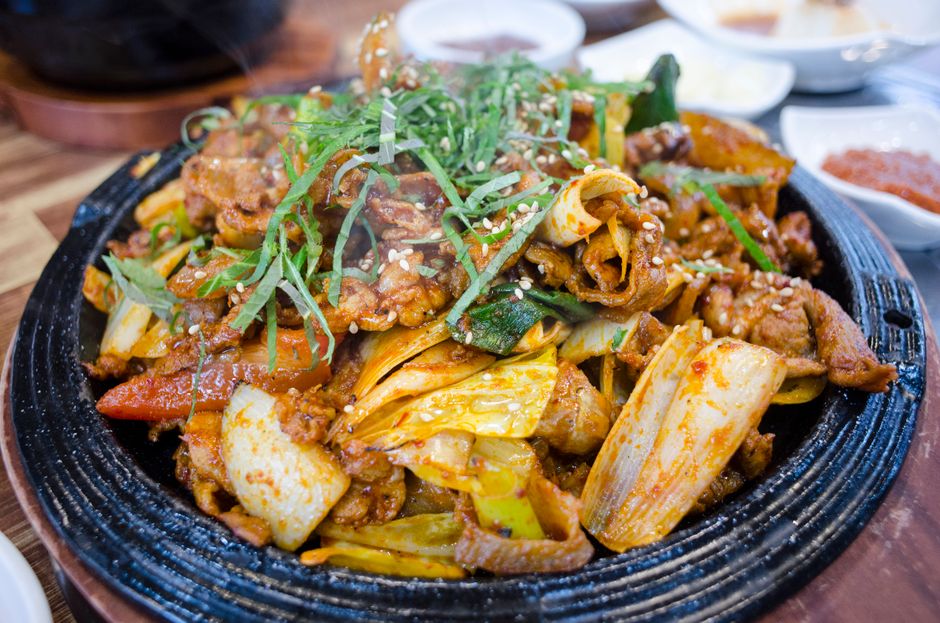
Gochujang works best paired with other ingredients. The most classic pairing is sesame oil and garlic — together they form the backbone of many Korean marinades, adding a nutty depth that complements the heat. Mix 2 tablespoons (30g) gochujang, 1 tablespoon (15ml) sesame oil, 1 teaspoon (5g) minced garlic, and 1 tablespoon (15ml) soy sauce for a marinade that works on grilled meats or roasted vegetables.
Combined with mayonnaise, gochujang makes a smooth, spicy dip for fries, fried chicken, or burgers. Start with 1 part gochujang to 2-3 parts mayonnaise, add a squeeze of lemon or lime juice, and a pinch of sugar or honey to balance it.
For a glossy glaze, pair gochujang with honey or maple syrup — good for candied nuts, sticky chicken wings, or glazed salmon. The sweetness mellows the heat and gives a caramelized finish. A dash of rice vinegar cuts the richness and adds a subtle tang.
Mixing gochujang with rice vinegar and sugar makes a sweet-and-sour sauce with a spicy undertone — good for dressing salads, drizzling over steamed vegetables, or serving with seafood. The vinegar’s acidity cuts the richness while the sugar balances it; a touch of ginger adds an aromatic boost.
Heat Levels, Storage, and Substitutes
Is Gochujang Gluten-Free?
Traditionally, gochujang is made with glutinous rice flour, which is naturally gluten-free. However, many commercial brands may contain wheat flour or barley malt syrup as part of their ingredients, which would make them not gluten-free. It’s crucial to always check the ingredient label if you have celiac disease or gluten sensitivity.
Some brands specifically produce gluten-free gochujang by using only rice flour or other gluten-free thickeners. Look for labels that explicitly state ‘gluten-free’ or check for ingredients like ‘wheat’ or ‘barley’ in the ingredient list. If you’re unsure and cannot find a certified gluten-free option, seek out traditional, artisanal versions that confirm their ingredients.
How Spicy Is Gochujang?
The spiciness of gochujang varies significantly by brand and specific product. Most standard tubs are medium spicy, offering a noticeable but not overwhelming heat that builds as you eat. Some brands offer ‘mild’ (순한맛, sunhanmat) versions that are less fiery, and ‘extra hot’ (매운맛, maeunmat) versions for those who want intense heat.
Keep in mind that gochujang’s heat is usually balanced by its inherent sweetness and savory notes. Unlike pure chili pastes that focus solely on heat, gochujang delivers a more rounded spicy experience. When trying a new brand, start with less than you think you need, especially if you’re sensitive to spice, and adjust from there. Most tubs indicate their spice level on the packaging.
What Are Good Substitutes for Gochujang?
Gochujang’s fermented flavor is hard to replicate exactly, but you can build a decent substitute in a pinch. Try mixing Sriracha or another Asian chili garlic sauce with a touch of miso paste (for umami and fermentation notes), a spoonful of sugar or honey (for sweetness), and a dash of soy sauce.
Another option is gochugaru (Korean chili powder), if you have it, mixed with a little water, sugar, and miso paste. These substitutions won’t fully capture the depth of authentic gochujang, but they get close enough for most recipes. For the most authentic Korean taste, a real tub of gochujang is still the better investment — it’s genuinely hard to replace.
Storing and Sourcing Your Gochujang
Your best bet for finding gochujang is an Asian grocery store, especially one specializing in Korean products, where you’ll find a wide selection of brands and spice levels. If you don’t have one nearby, many larger mainstream supermarkets now carry gochujang in their international or Asian food aisles, and online retailers offer a vast array of options delivered to your door. Look for reputable brands like Sempio, CJ Haechandle, or Chungjungone for consistent quality.
Once opened, keep gochujang in the refrigerator. It’s a fermented product with a long shelf life, but refrigeration slows further fermentation and prevents mold. Keep the lid tightly sealed after each use so it doesn’t dry out or pick up other fridge odors. Stored this way, an opened tub can last for several months, often up to a year, without much loss of quality — a great staple to keep on hand.